
Earth Day: How To Make Your Home More Energy Efficient
Wed Apr 23 2025
- Tips & How To's
If you’ve been meaning to make your home more energy efficient and just haven’t gotten around to it, this is your sign. Whether you're trying to lower your utility bills, reduce your carbon footprint, or simply create a cozier, smarter home, energy efficiency is where it all begins.
At Van Vreede’s, we believe real change starts with small, thoughtful upgrades. Let’s discuss how to save energy at home and cut down energy bills with energy-efficient home appliances.
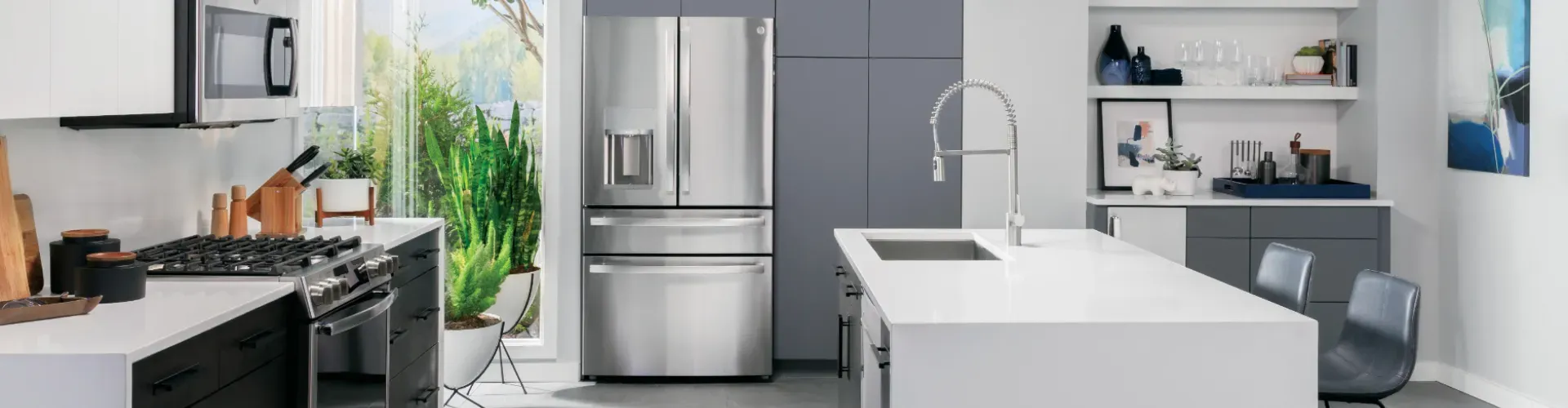
How Is My House Energy Inefficient?
If your energy bills are through the roof but your home still feels drafty in winter or stuffy in summer, you’re not imagining things. A few common culprits might be to blame: outdated appliances, poor insulation, leaky windows, or an HVAC system that’s past its prime.
The upside is that you don’t need a full-scale renovation to make a noticeable impact. Upgrading to energy-efficient appliances is one of the most effective and budget-friendly ways to reduce energy waste and cut costs. Modern refrigerators, dishwashers, washers, and dryers use significantly less electricity and water than older models, and they’re built to perform better, too.
Energy-Efficient Habits That Make a Difference
Upgrading your appliances is a smart move, but what you do every day matters just as much. Developing small, energy-saving habits can have a big impact over time.
Here are a few simple habits to work into your routine:
-
Do laundry in cold water – It gets the job done and uses way less energy than hot cycles.
-
Run full loads – Whether it’s the dishwasher or washing machine, wait until it’s full to maximize efficiency.
-
Let dishes air dry – Skip the heated dry cycle when you can.
-
Unplug small appliances when not in use – Think coffee makers, air fryers, and toasters.
-
Use natural light during the day – Open blinds and skip the light switch.
And don’t forget: keeping your appliances in good working order is key to maintaining their efficiency. A clogged dryer vent or dirty fridge coil can quietly drive up your energy use over time.
Need a tune-up? Van Vreede’s Service & Repair team has your back. Our certified technicians can help keep your appliances running like new.
👉 Schedule a service visit at our appliance repair service center today.
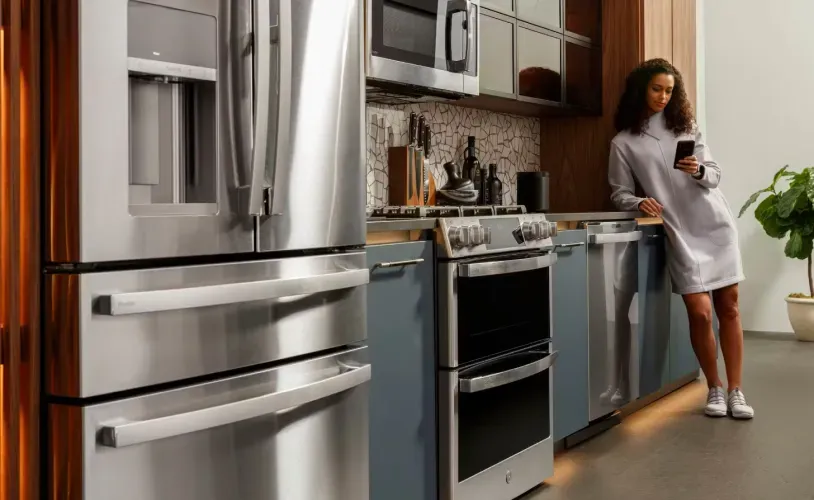
Top Energy-Efficient Appliances
Appliances account for a big chunk of home energy use, especially refrigerators, dishwashers, washers, and dryers. That’s where upgrading to ENERGY STAR® certified models really pays off. They’re designed to run efficiently without sacrificing performance.
Here are a few of Van Vreede’s favorites to start with:
Energy-Efficient Refrigerators
Your fridge is always running, so it’s worth having one that works with you, not against your energy bill.
GE Profile 4-Door French-Door Refrigerator
Model: PVD28BYNFS
-
Customizable temperature zones
-
Advanced water and ice filtration
Explore more energy-efficient refrigerators »
Energy-Efficient Dishwashers
Modern dishwashers are all about power without waste. Plus, they’re quieter than ever.
Model: SHX78CM5N
-
42 dBA: whisper-quiet
-
AutoAir™ and CrystalDry™ tech
Explore more energy-efficient dishwashers »
Energy-Efficient Washers & Dryers
Laundry day gets a whole lot greener with high-efficiency models.
Electrolux Front Load Perfect Steam™ Washer
Model: ELFW7537AT
-
Deep fill option with advanced vibration control
-
Smart features to manage loads from your phone
Explore more energy-efficient washers »
Electrolux Front Load Perfect Steam Electric Dryer
Model: ELFE7637AT
-
Balanced Dry feature keeps clothes cooler without adding additional dry time
-
Instant Refresh cycle revives fabrics without washing
Explore more energy-efficient dryers »
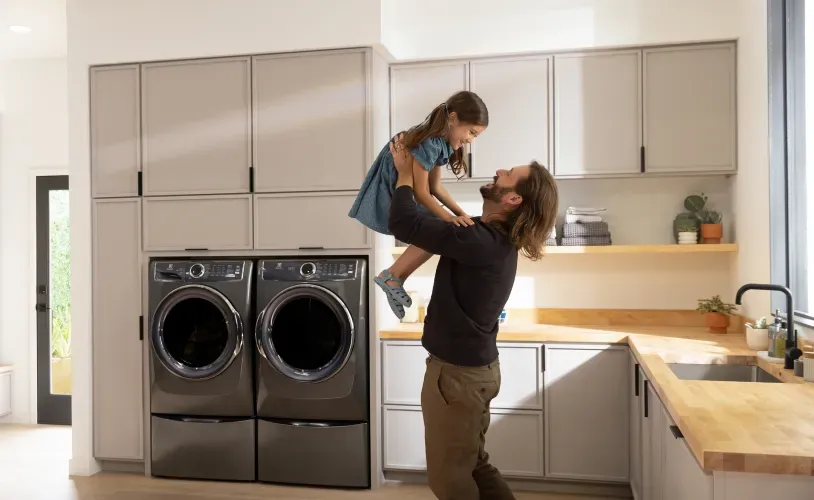
Budget-Friendly Ways To Make Your Home More Energy Efficient
If you’re not looking to splurge right now, here are a few simple, affordable moves that actually work:
-
Use LED lightbulbs – They use at least 75% less energy and last way longer than incandescent bulbs.
-
Seal up air leaks – Caulking windows and weather-stripping doors can stop heat or AC from slipping out.
-
Unplug idle devices – “Energy vampires” like chargers and toasters still use electricity even when they’re off.
-
Switch to smart plugs or thermostats – Automating when things turn on and off saves power (and brain space).
How to Save on Heating and Cooling
It’s not just about appliances—your HVAC system matters, too. Here’s how to keep the comfort without the high cost:
-
Use programmable or smart thermostats
-
Clean or replace air filters monthly
-
Use ceiling fans to circulate air
-
Close blinds on hot days to keep temps down
Want to go big? Consider upgrading to an ENERGY STAR-certified air conditioner or smart heat pump (we’ve got those too).
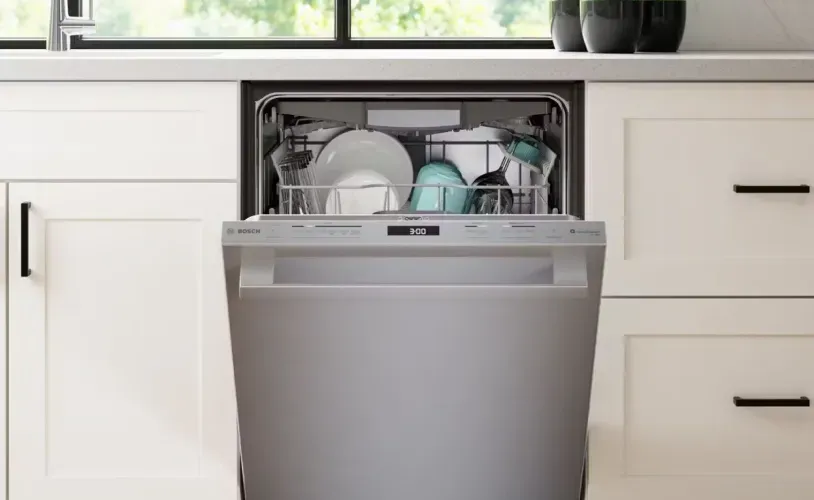
Make Your Home More Energy-Efficient at Van Vreede’s
Whether you start by switching to LEDs or go all-in on a new smart fridge, every choice makes a difference. At Van Vreede’s, we’re here to help you find appliances that make your home cleaner and greener.
Ready to lower your home’s carbon footprint? Visit Van Vreede’s to shop a curated selection of energy-efficient appliances from top brands like Café, Sub-Zero, and Thermador.
Contact us or visit our appliance store locations in Appleton, Green Bay, and Oshkosh to shop for the best ovens, cooktops, ranges, and refrigerators for sale that are designed to fit your eco-friendly lifestyle.
Related readings from our blog:
FAQ: Energy Efficiency in the Home
1. When is Earth Day 2025?
Earth Day falls on Tuesday, April 22, 2025—a perfect time to start making eco-friendly upgrades to your home.
2. What costs the most energy in a house?
Heating and cooling take the top spot, followed by water heating and refrigeration. Efficient appliances and better insulation can help reduce these costs.
3. What are examples of energy efficiency improvements?
Installing a smart thermostat, upgrading to energy-efficient appliances, sealing drafts, and using smart plugs or light timers.
4. Do older homes use more electricity?
Yes, typically. Older homes often have outdated insulation and appliances, making them less efficient than modern builds.
Related Articles