
How To Care For Your Leather Furniture
Wed Dec 17 2025
- Furniture
- Tips & How To's
Leather furniture, from sleek sofas to cozy recliners, adds timeless elegance to your living space. But because leather is a natural material, it needs a bit of TLC to stay beautiful and last for years. With the right care routine, you can keep your leather pieces soft, vibrant, and comfortable well beyond the day you bought them.
In this guide, we’ll walk you through how to care for your leather furniture, including cleaning, conditioning, placement, and preventative maintenance.
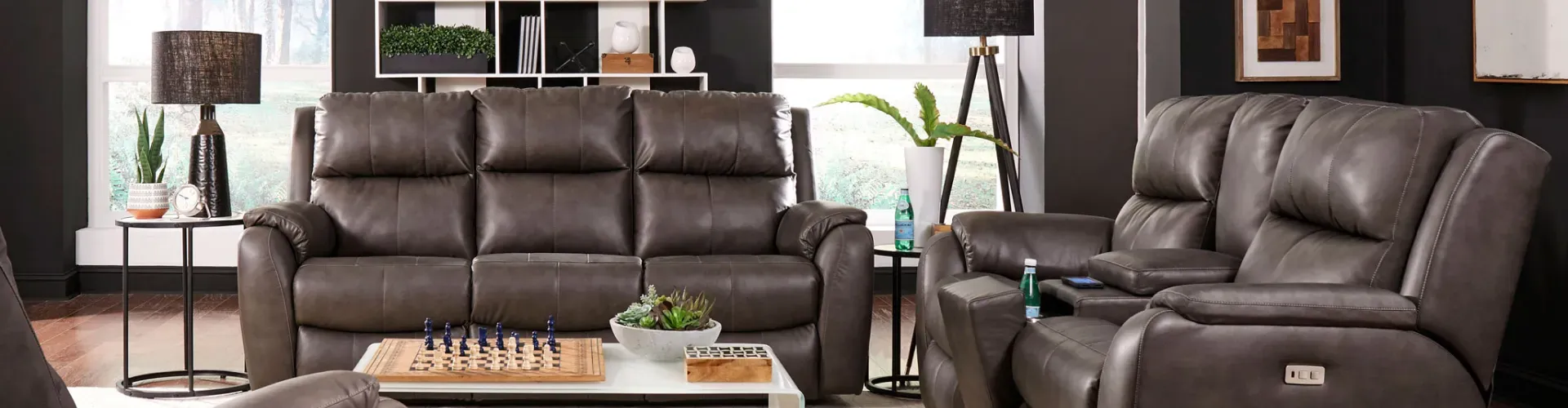
Why Leather Furniture Needs Special Care
Leather isn’t like fabric. It reacts to environmental factors, cleaning methods, and everyday wear in unique ways. Over time, dirt buildup, exposure to sunlight or heat, spills, and lack of maintenance can cause leather to dry out, fade, crack, and lose its natural softness and durability. Proper care helps preserve the leather's natural oils, maintain its appearance, and extend its lifespan.
Whether you invest in a leather sofa or sectional, taking care of your investment is essential, especially if you want to enjoy that luxurious look and comfort for years.
1. Understand What Type of Leather You Have
Not all leather is the same. Furniture-grade leather comes in several varieties: full-grain, top-grain, corrected-grain, bonded, and even synthetic leather, each with different characteristics and care requirements. Your maintenance routine should reflect the leather type.
-
Full‑grain leather: High-quality, natural surface with full grain intact. Breathable, durable, and ages naturally.
-
Top‑grain leather: Slightly more processed for stain resistance and a uniform look, but still genuine hide.
-
Corrected-grain/Bonded/Split leather: More processed; may be less breathable or durable.
-
Synthetic leather (PU/faux leather): Man-made materials, easier to clean but may not age the same way as genuine leather.
Because care differs by leather type, especially between genuine and synthetic, checking your furniture’s spec sheet or asking the retailer is a smart first step before cleaning.
2. Weekly & Routine Cleaning: Keep Dirt and Dust Away
Regular maintenance goes a long way:
-
Use a soft, lint‑free cloth or a vacuum with a soft-brush attachment to gently remove dust and debris from the surface and crevices.
-
Avoid harsh vacuum attachments or abrasive brushes that could scratch the leather surface.
-
Make dusting part of your regular cleaning schedule; once a week is ideal to prevent buildup.
This simple step prevents dirt from embedding into the leather grain and keeps your furniture looking fresh and polished.
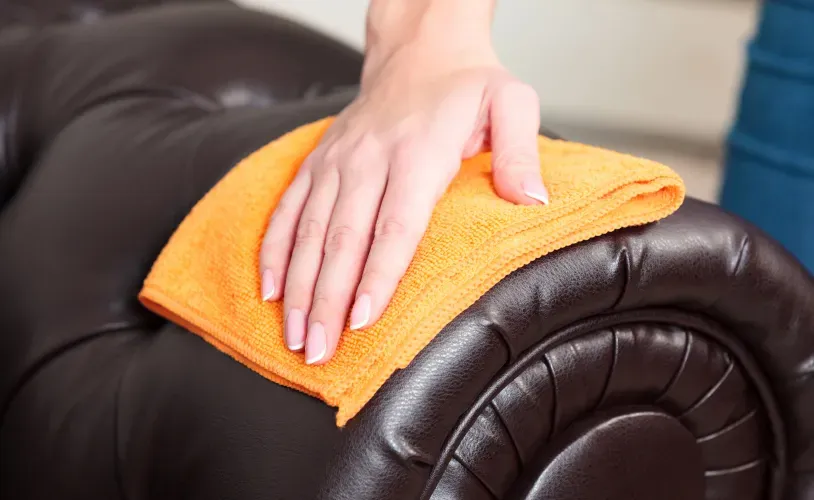
3. Spills & Spot Cleaning: Act Fast and Be Gentle
Accidents happen, but responding quickly can prevent lasting damage.
-
For liquid spills: blot gently with a clean, dry cloth, never rub or scrub. Rubbing can spread the liquid and push it deeper into the leather.
-
For solid spills or crumbs: gently lift them off without pressing into the leather.
-
If a stain remains: use a pH‑balanced leather cleaner, or a cleaner designed specifically for upholstery leather. Avoid generic household cleaners, harsh soaps, detergents, or products containing bleach, ammonia, or alcohol can strip the natural oils and damage the leather’s finish.
-
Before applying any cleaner, test in an inconspicuous area to ensure the color and finish stay intact.
4. Deep Cleaning & Conditioning (Every 6-12 Months)
Leather needs more than occasional wiping, it needs conditioning to stay supple and prevent drying or cracking:
-
Use a high-quality leather conditioner made for furniture (not for shoes or other leather goods).
-
Apply a small amount to a soft cloth and rub gently in circular motions over the entire leather surface. Allow it to absorb fully, then buff with a clean, dry cloth to bring out the leather’s natural luster.
-
In drier climates or homes with low humidity (e.g., due to air conditioning or heating), moisturize leather more frequently to preserve its natural oils and flexibility.
Conditioning helps restore moisture, maintain softness, and prevent cracking or stiffness, especially on high‑use furniture like sofas and recliners.
5. Proper Placement: Avoid Sunlight, Heat & Humidity Swings
Where you place your leather furniture matters a lot for its longevity:
-
Keep leather pieces out of direct sunlight; UV rays cause fading and can dry out the hide.
-
Avoid placing leather near heat sources (radiators, vents, fireplaces) or air‑conditioning vents; extreme temperature fluctuations can cause leather to expand and contract, leading to cracks or brittleness.
-
Maintain a balanced indoor humidity level if possible; overly dry air can dry leather, while too much humidity can encourage mold or mildew. Using a humidifier or dehumidifier helps, especially in extreme climates.
6. Handling Wear, Scratches & Minor Damage
Leather naturally ages over time, but you can manage wear to keep it looking its best:
-
For minor scratches or scuffs, gently rub the area with a clean finger to help redistribute the leather’s natural oils, then apply a small amount of conditioner and buff.
-
For more serious scratches, scuffs, or small tears, consider using a leather repair kit or consult a professional upholstery/ leather specialist. Incorrect DIY fixes can worsen the damage.
-
Avoid placing sharp objects (e.g., keys, pet claws, or hard toys) directly on leather surfaces, these can scratch or puncture the hide.
7. When to Consider Professional Cleaning or Repair
For old, heavily used, or damaged leather, or if you’re unsure of the leather type, professional leather cleaning or restoration is sometimes the safest choice. Pros can treat deep stains, fix structural damage, and apply high‑grade conditioners or finishes to restore suppleness and appearance.
If you try cleaning and conditioning on your own without seeing improvement, or worse, notice discoloration or cracking, it’s wise to seek professional help to prevent further damage.
Recommended Care Routine Summary
-
Weekly: dust and vacuum with a soft brush
-
Immediately: blot spills, avoid rubbing
-
Every 6-12 months: deep clean with leather-safe cleaner and apply conditioner
-
Ongoing: avoid direct sunlight, heat sources, and fluctuating humidity
-
As needed: treat scratches/scuffs, consider professional service for damage
Why Caring for Your Leather Furniture Matters for Van Vreede’s Furniture Buyers
No matter what leather furniture you invest in, proper maintenance ensures you get the most value from your purchase. With a few easy routines and the right products, you can protect your investment, preserve comfort, and maintain the luxurious look and feel of leather furniture for years.
By caring for leather properly, dusting, cleaning, conditioning, and protecting it from environmental stress, you help your furniture age gracefully and remain cozy, stylish, and durable for your family.
Van Vreede’s offers a catalog of home furniture products for the living room, dining room, bedroom, home office, and outdoor furniture you can choose from. Visit one of our stores in Appleton, Green Bay, or Oshkosh, Wisconsin, or browse our furniture selection online to compare styles that complement your home.
Related readings from our blog:
-
Stylish Sleeper Sofas: Hosting Overnight Guests In Small Spaces
-
Is a Reclining Sofa Right for You? What to Consider Before Buying
FAQs: How To Care For Your Leather Furniture
How often should I clean and condition my leather furniture?
Dust weekly; deep‑clean and condition every 6-12 months depending on use, climate, and exposure.
Can I clean leather with a damp cloth and mild soap?
Only use cleaners specifically designed for leather; avoid harsh soaps or detergents, which can strip natural oils and damage the finish. Always test in a hidden area first.
What should I do if a spill sets in?
Blot immediately with a clean, dry cloth, don’t rub. If needed, use a pH-balanced leather cleaner; avoid soaking.
Is leather better than fabric for homes with kids or pets?
Quality leather (full- or top‑grain) holds up well to wear and can be cleaned more easily than many fabrics, but it still needs proper care to avoid scratches or drying.
Related Articles