
Upright Freezer vs. Chest Freezer: Which Preserves Food Better?
Tue Jun 16 2026
- Kitchen Appliances
If you're shopping for additional frozen food storage, one of the biggest decisions you'll face is choosing between an upright freezer and a chest freezer. Both options can help reduce grocery trips, support bulk buying, and provide valuable storage space for long-term food preservation. However, they perform differently when it comes to temperature stability, energy consumption, organization, and maintenance.
So which freezer preserves food better?
The answer depends on how you plan to use it. In general, chest freezers often provide slightly better long-term food preservation due to their superior temperature retention and energy efficiency. However, upright freezers offer significant advantages in convenience, organization, and accessibility that may make them the better choice for many households.
The experts at Van Vreede's regularly help homeowners throughout Appleton, Green Bay, and Oshkosh compare freezer styles based on their storage needs, available space, and long-term goals. This guide breaks down the key differences to help you make an informed decision.
Key Takeaways: Upright Freezer vs Chest Freezer
-
Chest freezers generally maintain more stable temperatures, which can help preserve food quality during long-term storage.
-
Upright freezers offer easier organization and faster access to frozen items.
-
Manual defrost chest freezers are often more energy efficient than frost-free upright models.
-
Frost-free systems reduce maintenance but can slightly increase temperature fluctuations.
-
Long-term storage goals, available space, and household habits should all influence your decision.
-
Both freezer types can preserve food safely when properly maintained and used correctly.
Why Temperature Stability Matters for Food Preservation
When discussing freezer performance, temperature stability is one of the most important factors to consider.
Frozen food remains safest and maintains its quality longest when temperatures remain consistently at or below 0°F. Frequent temperature fluctuations can contribute to freezer burn, ice crystal formation, and gradual degradation of food texture and flavor.
This is where chest freezers often have an advantage.
Because chest freezers open from the top, cold air naturally remains inside when the lid is opened. Cold air is denser than warm air and tends to stay contained within the freezer compartment rather than spilling out into the room.
By contrast, every time an upright freezer door opens, some of the cold air escapes and is replaced by warmer room air. While modern upright freezers recover temperature quickly, repeated door openings can create more temperature fluctuations over time.
For homeowners planning to store food for several months, or even a year or longer, this difference can have a meaningful impact on food quality.
How Chest Freezers Preserve Food
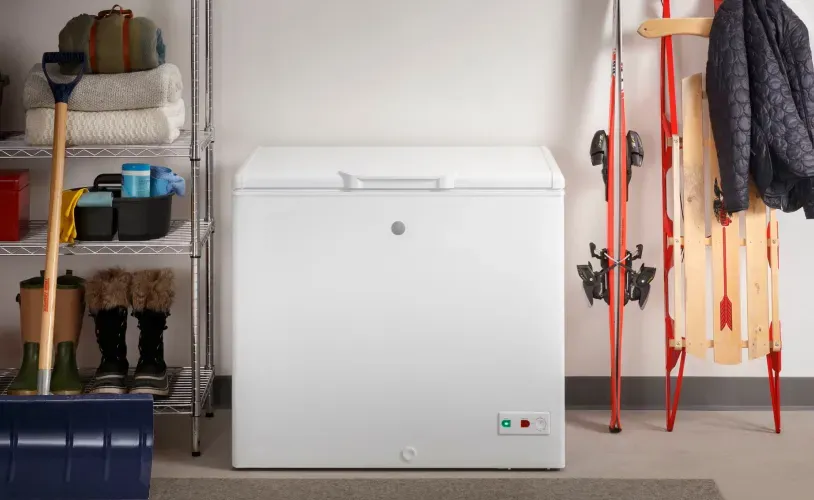
Chest freezers have remained popular for decades because they excel at one primary task: maintaining cold temperatures consistently.
Their horizontal design minimizes cold air loss during door openings and allows them to retain cold temperatures for longer periods during power outages. This can be especially important for homeowners who store large quantities of meat, bulk purchases, garden harvests, or emergency food supplies.
Because most chest freezers use manual defrost systems, they avoid the periodic warming cycles associated with frost-free operation. As a result, temperatures often remain more stable throughout the year.
For households focused on maximizing food longevity, chest freezers are frequently considered the gold standard for long-term frozen storage.
How Upright Freezers Preserve Food
While chest freezers may have an edge in pure temperature retention, upright freezers offer significant practical advantages that many homeowners prefer.
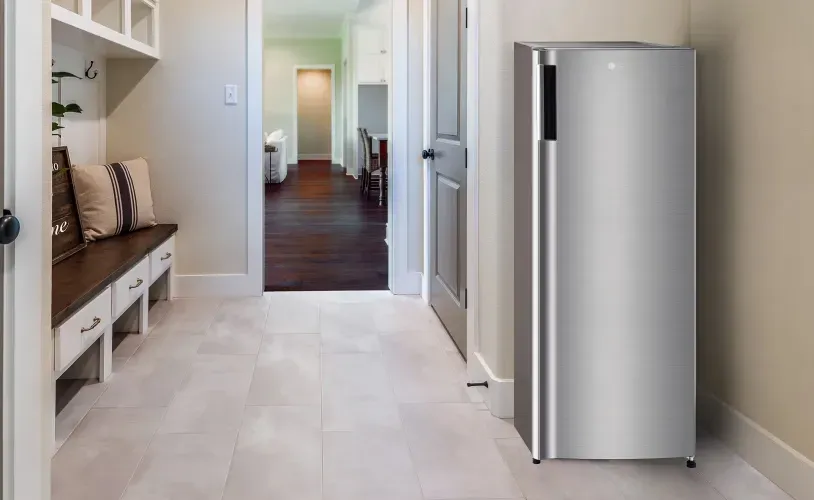
An upright freezer functions much like a traditional refrigerator, with shelves, bins, and door storage that make organizing frozen foods much easier. Instead of stacking items on top of one another, users can quickly see and access what they need.
This improved visibility often reduces the amount of time the door stays open, which can help offset some of the temperature loss that naturally occurs when opening an upright model.
Modern upright freezers also feature advanced insulation, electronic temperature controls, and improved airflow systems that help maintain consistent temperatures.
For busy families who access frozen foods frequently, the convenience of an upright freezer often outweighs the slight temperature stability advantage of a chest freezer.
Understanding Defrost Systems
One of the biggest differences between freezer styles involves how they handle frost buildup.
Manual Defrost Freezers
Most chest freezers use manual defrost systems. This means frost gradually accumulates inside the freezer and must be removed periodically by shutting down the appliance and allowing ice to melt.
While this requires occasional maintenance, manual defrost systems provide a major preservation benefit: they maintain consistently cold temperatures without warming cycles.
This consistency helps reduce freezer burn and better protects food during extended storage periods.
Frost-Free Freezers
Many upright freezers feature frost-free technology.
These systems periodically activate heating elements to prevent frost buildup on cooling components. The result is greater convenience because homeowners rarely need to manually defrost the freezer.
The tradeoff is that these cycles create small temperature variations throughout operation. While modern frost-free systems are highly effective and safe, they may contribute slightly more freezer burn over extremely long storage periods compared to manual defrost models.
Comparing Energy Usage
Energy efficiency is another important factor when selecting a freezer.
In many cases, chest freezers consume less electricity than similarly sized upright models. Their design naturally retains cold air more effectively, reducing the workload placed on the compressor.
Manual defrost systems also avoid the energy demands associated with automatic defrost cycles.
However, modern upright freezers have become significantly more efficient than older models. Many ENERGY STAR®-certified upright freezers provide excellent performance while maintaining reasonable operating costs.
The difference in annual energy usage may not be substantial enough to outweigh convenience considerations for many households.
Instead of focusing solely on utility costs, homeowners should evaluate overall functionality and how they intend to use the appliance.
Planning for Long-Term Food Storage
The best freezer for preserving food often depends on your long-term storage strategy.
If you regularly purchase meat in bulk, hunt, fish, maintain a large garden, or prepare freezer meals months in advance, a chest freezer may provide the ideal environment for preserving food quality over extended periods.
The superior temperature stability can help protect food from freezer burn and maintain freshness for longer storage durations.
On the other hand, families who use frozen foods frequently may benefit more from the accessibility and organization offered by an upright freezer. Being able to quickly locate ingredients can reduce food waste and improve everyday convenience.
The key is matching the freezer to your storage habits rather than simply choosing the model with the largest capacity.
Space and Organization Considerations
Food preservation isn't only about temperature, it's also about organization.
A freezer packed with forgotten food is not preserving value effectively, regardless of how stable the temperature may be.
Chest freezers typically offer excellent storage capacity but can become difficult to organize without baskets or dividers. Items may become buried beneath newer purchases, making inventory management challenging.
Upright freezers provide shelves, bins, and dedicated storage zones that help homeowners maintain better visibility of their frozen inventory. This can make meal planning easier and reduce the likelihood of food being forgotten.
For many households, improved organization contributes just as much to food preservation as temperature performance.
Which Freezer Is Best for You? Shop Freezers and More at Van Vreede’s
If your primary goal is maximizing food longevity and maintaining the most stable temperatures possible, a chest freezer is often the better choice. Its design naturally retains cold air, operates efficiently, and supports excellent long-term storage conditions.
If convenience, accessibility, and organization are your priorities, an upright freezer may be the better investment. Modern upright models provide excellent preservation performance while making frozen foods easier to access and manage.
Ultimately, neither option is universally better. The right choice depends on your household's shopping habits, storage goals, available space, and how often you access frozen foods.
If you’re ready to replace and upgrade your freezer, visit one of our appliance showrooms in Appleton, Green Bay, or Oshkosh, WI to discover options that best fit your needs.
Related readings from our blog:
FAQs: Upright Freezer vs. Chest Freezer: Which Preserves Food Better?
Which freezer keeps food frozen longer during a power outage?
Chest freezers typically retain cold temperatures longer during power outages because their design minimizes cold air loss. Since cold air remains trapped inside when the lid is closed, food often stays frozen for an extended period compared to upright models. This makes chest freezers particularly appealing for emergency preparedness and bulk food storage. However, actual performance depends on how full the freezer is and how long the power outage lasts.
Do upright freezers use more electricity than chest freezers?
In many cases, yes, although the difference is often smaller than homeowners expect. Chest freezers generally retain cold air more effectively and frequently use manual defrost systems that consume less energy. Modern upright freezers, however, have become significantly more efficient and many are ENERGY STAR certified. For most households, convenience and organization may outweigh minor differences in operating costs.
Are frost-free freezers better than manual defrost freezers?
Frost-free freezers offer greater convenience because they prevent ice buildup automatically, eliminating the need for manual defrosting. However, the periodic warming cycles used by frost-free systems can create slight temperature fluctuations. Manual defrost freezers typically provide more stable temperatures, which may be beneficial for very long-term food storage. The best choice depends on whether convenience or maximum temperature consistency is more important to you.
Is an upright freezer or chest freezer better for bulk food storage?
Chest freezers are generally better suited for bulk food storage because they offer large open compartments and excellent temperature stability. They are especially popular among hunters, gardeners, and families who purchase meat in large quantities. Upright freezers can also store bulk food effectively but may offer less usable space due to shelving and organizational features. The right choice depends on how often you access your frozen items and how important organization is to your household.
Related Articles