
What Is a Combination Oven? Pros and Cons
Fri Sep 26 2025
- Buying Guides
If you’re shopping for a new kitchen appliance that offers convenience, speed, and flexibility, a combination oven might be the perfect fit. But what exactly is a combination oven, and is it worth the investment?
In this blog, we’ll break down what a combination oven does, how it compares to other options, and the pros and cons to help you decide if it’s right for your cooking needs.

What Is a Combination Oven?
A combination oven (or combi oven) is a multi-functional cooking appliance that combines the functions of a conventional oven, a steam oven, and sometimes a microwave, all in one unit. It allows you to cook with:
-
Dry heat (like a traditional oven)
-
Steam (like a steam oven)
-
Or a combination of both (for faster, juicier results)
Combination ovens are commonly used in commercial kitchens, but an increasing number of homeowners are incorporating them into their own kitchens, thanks to their versatility and space-saving design.
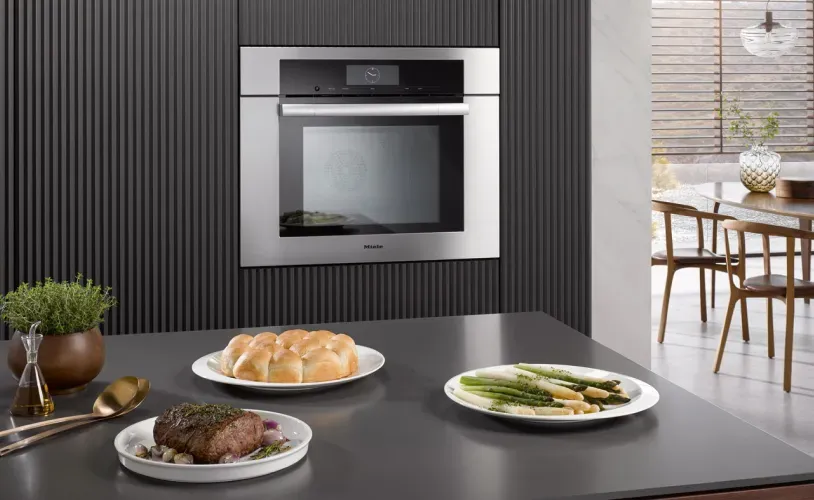
How Does a Combination Oven Work?
Combination ovens use built-in sensors and advanced technology to control heat, humidity, and timing. In steam mode, water is heated to generate steam, which gently cooks food while preserving its moisture. In convection mode, hot air circulates throughout the oven cavity for even browning. The combination mode uses both, delivering quicker cooking times and flavorful results.
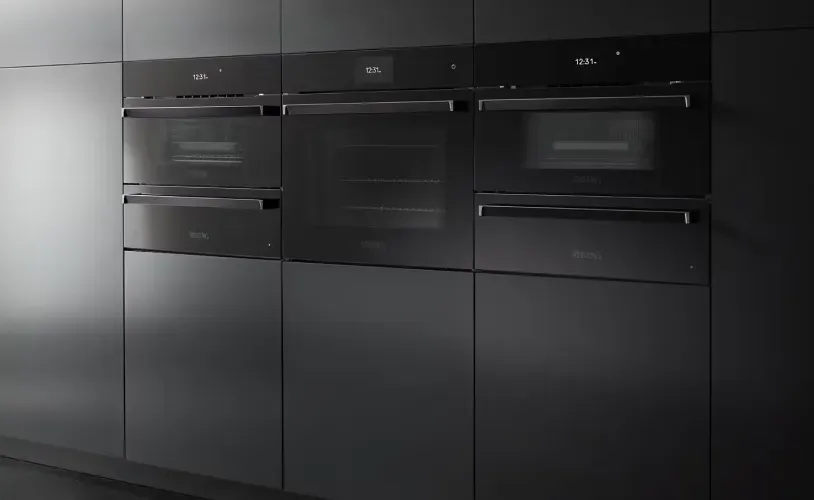
Pros of a Combination Oven
Thinking about adding one to your kitchen? Here are the most significant benefits:
-
Versatile Cooking Options: From roasting to steaming to baking, a combination oven does it all. You can bake a cake, roast a chicken, and steam vegetables, all using different settings on the same appliance.
-
Healthier Meals: Steaming preserves more nutrients in your food than frying or boiling. Combination ovens are ideal for preparing vegetables, fish, and lean proteins with reduced oil and increased moisture.
-
Faster Cooking: When using both steam and convection heat, foods cook more quickly and evenly. This is perfect for busy families or anyone who wants to reduce kitchen time without sacrificing flavor.
-
Better Texture and Flavor: The combination of steam and hot air prevents food from drying out while still delivering crispy, golden exteriors. This is ideal for breads, meats, and casseroles.
-
Energy Efficient: Combination ovens typically heat up faster than traditional ovens and maintain their temperature more effectively, making them more energy-efficient for everyday cooking.
Cons of a Combination Oven
As impressive as they are, combi ovens aren’t for everyone. Here are a few drawbacks to consider:
-
Higher Price Point: Combination ovens are more expensive than traditional ovens or microwaves. You’re paying for advanced technology, versatility, and high performance.
-
Smaller Cavity Size: Many combi ovens are smaller than full-size conventional ovens. While this isn’t an issue for couples or small families, it may not be ideal for large households or those who frequently entertain.
-
Learning Curve: With so many features and functions, some users may find it takes time to learn how to get the best results. Reading the manual or watching demo videos can help speed up the process.
-
Requires Water Supply or Reservoir: Some combi ovens require a water connection or frequent refilling of a built-in reservoir to generate steam. This is an added maintenance step to consider.
Is a Combination Oven Right for You?
A combination oven is an excellent solution if you’re looking to upgrade your cooking game without investing in multiple appliances. It’s ideal for:
-
Health-conscious cooks
-
Home chefs who value efficiency and versatility
-
Smaller kitchens where space is limited
-
Anyone who wants to cut down on cooking time without cutting corners on quality
What to Look for When Buying a Combination Oven
Here are a few tips for choosing the right model for your home:
-
Cooking modes: Ensure it has steam, convection, and combo settings.
-
Capacity: Check the interior size to make sure it fits your needs.
-
User interface: Touchscreens and preset programs make operation easier.
-
Water supply: Decide whether you prefer a direct water line or manual fill.
-
Cleaning features: Look for self-cleaning or steam cleaning options.
-
Installation style: Wall ovens and countertop models are both available.
If you want expert help, we always recommend visiting our showroom to get hands-on with different models. Our team is here to answer questions and help you find the right appliance for your space and lifestyle.
Shop Combination Ovens at Van Vreede’s
At Van Vreede’s, we offer a curated selection of combination ovens, ranges, and ovens from trusted brands. Whether you’re outfitting a dream kitchen or upgrading for everyday ease, we’ll help you find the perfect fit.
Stop by one of our appliance stores in Appleton, Green Bay, or Oshkosh, Wisconsin, to see our top-rated models in person and talk with an appliance expert. We offer professional installation, delivery, and ongoing support to make sure you love your new appliance.
Related readings from our blog:
Commonly Asked Questions About Combination Ovens
Can I replace my regular oven with a combination oven?
Yes, absolutely. Many homeowners in the Fox Valley are making the switch because a combination oven can handle all the tasks of a traditional oven while adding professional-grade steam capabilities. Just be sure to check the interior capacity. If you’re used to roasting a 20lb turkey, you’ll want to ensure your specific combi model has the cubic footage to match.
Do combination ovens need a water line?
Not necessarily. It depends on the model you select. Some units require a dedicated water hookup (similar to a fridge ice maker), while others use a convenient, refillable water reservoir located behind the control panel. If you aren't looking to run new plumbing, we usually recommend the reservoir-style models for an easier installation.
How is a combi oven different from a microwave?
It comes down to how they heat your food. A microwave uses electromagnetic waves to vibrate water molecules, which can sometimes lead to soggy or rubbery textures. A combi oven uses a mix of steam and circulating hot air. This preserves the moisture and flavor of your food far better than a microwave, making it the best tool for reheating leftovers so they taste fresh-cooked.
Can I use metal cookware in a combination oven?
Yes, in most cases. You can safely use your favorite metal roasting pans and baking sheets in steam or convection modes. However, if your combination oven includes a microwave feature, you’ll need to switch to microwave-safe dishes when using that setting.
Is a combination oven worth the investment?
Yes, for many people, it is worth the investment because it replaces multiple countertop appliances like air fryers and steamers while boosting your home's resale value. By combining professional-grade steam with convection, you get a versatile, built-in solution that frees up counter space. For Fox Valley homeowners, it’s a high-end kitchen upgrade that pays off in both daily utility and long-term property appeal.
What kinds of food benefit most from a combination oven?
Delicate dishes like cheesecakes, salmon, and artisan breads see the most improvement. The humidity prevents cracking and drying out, while the "Air Sous Vide" capability lets you cook meats to a precise internal temperature without a water bath. It’s also the best way to reheat leftovers, using steam to restore moisture so food tastes fresh-cooked.
Related Articles