
What Is a High-Efficiency Washer?
Tue Jun 17 2025
- Laundry
If you’ve been appliance shopping recently or browsing washing machine features online, you’ve likely come across the term “high-efficiency washer.” But what exactly does that mean, and is it worth it for your home?
In this guide, we’ll break down what defines a high-efficiency (HE) washer, how it works, and what benefits it offers, so you can decide if it’s the right choice for your laundry routine.
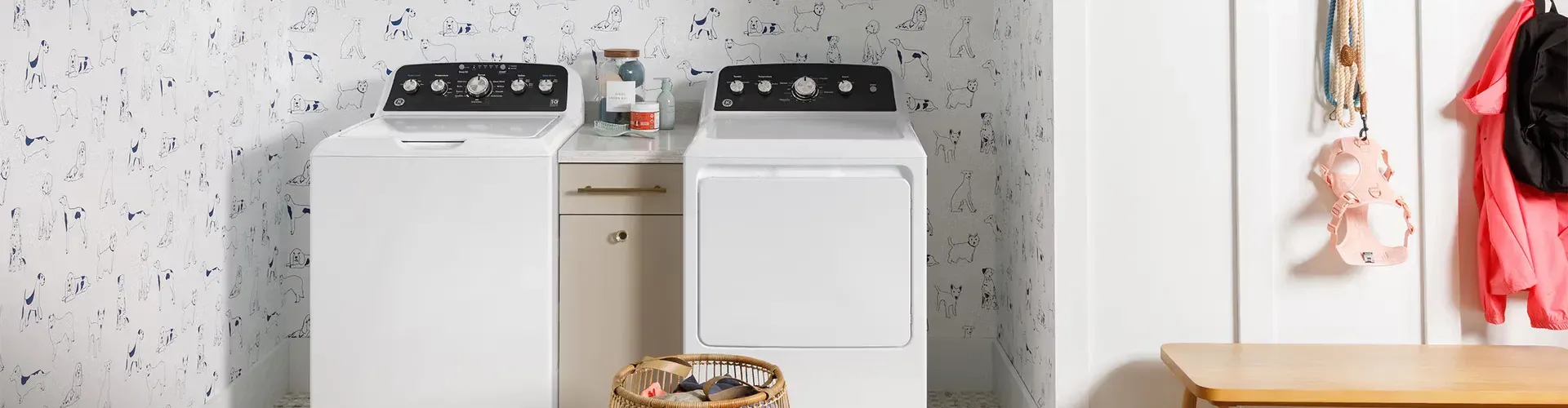
What Makes a Washer “High-Efficiency”?
A high-efficiency washer is designed to use less water and energy while still providing a powerful clean. These washers meet specific energy-saving standards set by the U.S. Department of Energy and typically carry the ENERGY STAR® label.
Here’s how high-efficiency washers differ from traditional models:
-
Low Water Usage: HE washers use up to 80% less water than older top-load models.
-
Tumble Action Cleaning: Instead of using an agitator, most HE models use a tumbling or spinning motion to clean clothes, which is gentler on fabrics.
-
High-Speed Spin Cycles: They extract more water from your clothes, which means less drying time in the dryer.
-
HE Detergent Required: These washers are designed to work with low-sudsing HE detergent, which helps prevent residue buildup and keeps the washer running smoothly.
What Kind of Detergent Do High-Efficiency Washers Need?
If you are switching to an HE washer, you must use HE detergent. This type of detergent is specially formulated to produce fewer suds while keeping your laundry clean. Too many suds can cause buildup in HE washers, affecting performance and possibly leading to odor or mechanical issues over time.
Look for bottles labeled with the “HE” symbol. Most major detergent brands offer a high-efficiency version. Remember, a little goes a long way. Because these washers use less water, you only need a small amount of detergent per load.
How to Tell If a Washer Is High-Efficiency
Most high-efficiency washers are clearly labeled as such with an “HE” badge, either on the control panel, the product description, or the EnergyGuide label. Look for:
-
The ENERGY STAR® logo indicates the unit meets strict energy-saving standards.
-
The absence of a traditional agitator, especially in top-load models.
-
Descriptions or marketing materials mentioning low water use, advanced rinse systems, or HE compatibility.
If you’re shopping in person, our team at Van Vreede’s can walk you through the features of different washers and help you find an HE model that fits your space and laundry habits.
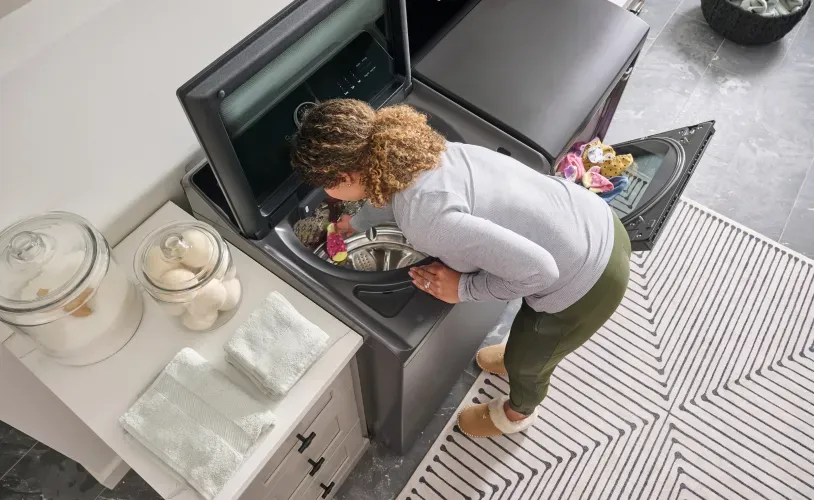
Types of High-Efficiency Washers
There are two main types of high-efficiency washers:
-
Front-Load Washers: These are the most common type of HE washers and are known for their sleek look, stackable design, and energy savings.
-
Top-Load HE Washers: These combine a traditional top-load design with the water- and energy-saving features of HE technology, usually without a central agitator.
Both styles offer similar benefits, so your choice comes down to your laundry space and personal preference.
Benefits of a High-Efficiency Washer
So, why are people making the switch to high-efficiency washing machines? Here are the top benefits of owning an HE washer.
-
Lower Utility Bills: Using less water and energy means long-term savings.
-
Gentler on Clothes: The absence of an agitator and more efficient rinse cycles can help preserve fabrics.
-
Eco-Friendly: Reduced water and electricity use make HE washers a better choice for the environment.
-
Higher Capacity: Many HE washers are larger, so you can do more laundry in fewer loads.
-
Quieter Operation: These models often come with updated motors and insulation, reducing noise and vibration.
What to Know Before Buying
While high-efficiency washers offer lots of advantages, there are a few things to keep in mind.
-
HE Detergent Only: As mentioned, high-efficiency washers can only be run with detergent labeled "HE" to avoid excessive suds.
-
Cycle Times May Be Longer: HE washers use less water, so cycles can take longer, but they’re more effective and efficient overall.
-
Initial Cost: HE models may have a higher upfront price, but the long-term energy and water savings often offset this.
Should You Switch to a High-Efficiency Washer?
If you want to save on utilities, be gentler on your clothes, and upgrade to modern cleaning performance, a high-efficiency washer is a great choice. They're ideal for families, frequent laundry-doers, or anyone looking to make their home more sustainable.
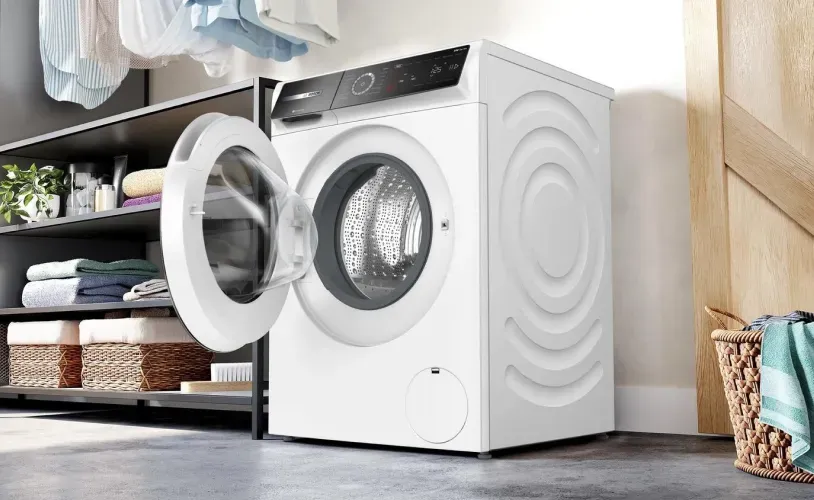
Shop High-Efficiency Washers at Van Vreede’s
At Van Vreede’s, we carry a wide range of high-efficiency washers from trusted brands like Whirlpool, LG, Maytag, GE, and Samsung. Whether you're looking for a space-saving stackable washer and dryer or a large-capacity top-load washing machine, our expert team can help you find the perfect fit for your home and lifestyle.
Visit us in Appleton, Green Bay, or Oshkosh, WI, to speak with our appliance experts or shop online. We also offer local delivery and installation to make upgrading your laundry room easy and stress-free.
Related readings from our blog:
Frequently Asked Questions About High-Efficiency Washers
1. Can you use high-efficiency detergent in a normal washer?
Yes. HE detergent can be used in standard washers. It will produce fewer suds, but it will still clean your clothes effectively.
2. Do HE washers really clean as well as traditional ones?
Yes. HE washers are designed to clean efficiently using less water and energy. Their tumbling action and smart sensors ensure clothes come out clean and fresh.
3. Are high-efficiency washers harder to maintain?
Not at all. They do require occasional cleaning to prevent odor buildup, especially around the door seal (for front-load models), but regular maintenance is simple.
4. Can you use pods or powder detergent in HE washers?
Yes, as long as they are labeled as safe for high-efficiency machines. Always follow the detergent manufacturer’s instructions.
Related Articles