
What is a Hybrid Mattress?
Fri Sep 26 2025
- Mattresses
If you're exploring mattress options, you’ve probably heard of hybrid mattresses, especially as a middle ground between foam and innerspring beds. But what exactly makes a hybrid mattress different, and is it right for your sleep needs?
This article will explore hybrid mattresses, what they are, how they compare to foam and spring mattresses, their pros and cons, and points to evaluate so you can make a confident purchase.
What Defines a Hybrid Mattress
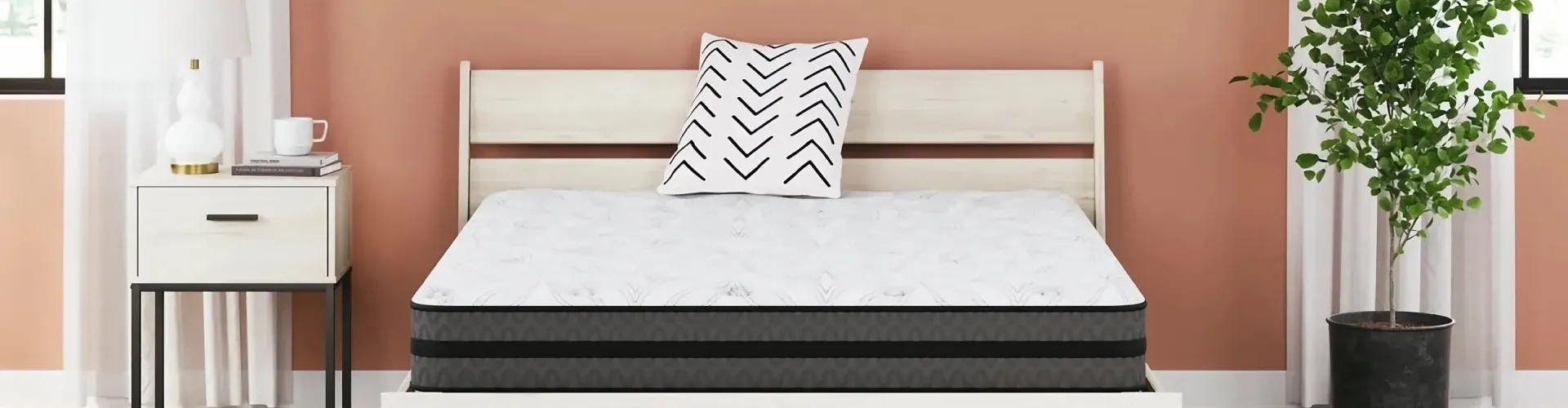
A hybrid mattress is one that combines coils (innersprings) with foam layers (memory foam, latex, gel, or other materials). The idea is to blend the supportive “bounce” and breathability of springs with the contouring comfort of foam.
Key components often include:
-
Support Core/Coils: Usually one of three types—pocketed (individually wrapped), continuous, or Bonnell coils. Pocketed coils are most common in quality hybrids, offering reduced motion transfer and better contouring.
-
Comfort Layers: These are the top layers made from foam or latex. They cushion pressure points (shoulders, hips), add plushness, and often help with cooling if infused with gel or breathable materials.
-
Edge Support & Base Layers: Additional support at edges helps prevent sagging when sitting at the edge of the bed. A robust foundation layer ensures long-term durability.
Hybrid vs. Foam vs. Traditional Spring Mattresses
Here’s how hybrids stack up against other common mattress types, so you can see how the differences align with your sleep style.
Hybrid vs. Foam
-
Support & Bounce: Foam mattresses (especially memory foam) contour deeply but may feel “sink-y” and provide less bounce. Hybrids add coil support, which helps rebound and assist with mobility (getting in and out of bed).
-
Temperature Regulation: Foam tends to retain heat more, especially dense foam. Hybrids generally breathe better thanks to the airflow in coil layers plus gel or ventilated foams.
-
Motion Isolation: Pure foam often wins here, as it absorbs motion well. Hybrids are improving, individually wrapped coils reduce motion transfer significantly compared to older spring mattresses.
Hybrid vs. Spring (Innerspring) Mattresses
-
Plushness & Pressure Relief: Spring mattresses are usually firmer and less forgiving. Hybrids with foam layers provide pressure relief, contouring around shoulders and hips, making them a good choice for side sleepers.
-
Durability: Springs give strong core support, but spring-only mattresses may develop sagging or body impressions sooner. Hybrids tend to resist sagging better due to balanced layering.
-
Cost & Price Span: Traditional spring mattresses are often less expensive up front, but hybrids come in many price tiers, offering a good range between comfort and quality.
Benefits of Hybrid Mattresses
Here are the advantages people commonly experience with hybrids.
-
Balanced Comfort & Support: Hybrids offer a “best of both worlds” feel—firm enough for proper spine alignment, soft enough to cushion pressure points.
-
Improved Cooling: Coil structures promote airflow; gel-infused foams or ventilated layers help disperse heat. Good for hot sleepers.
-
Versatile Feel Options: From plush to medium-firm to firm, hybrids are manufactured in many feel levels. You can find ones that suit side, back, stomach, or combination sleepers.
-
Reduced Motion Transfer: Coils plus foam layers help dampen motion; great if you have a restless partner.
-
Edge Support: Reinforced edges make sitting or lying near the edge of the bed more stable, so you feel supported across the whole surface.
Hybrid Mattress Factors to Consider
No mattress type is perfect, hybrids come with trade-offs you should take into consideration before investing in one.
-
Potential for Heat Retention: Some hybrids use dense foam that still traps heat, especially if not ventilated or if cooling layers are minimal.
-
Weight & Handling: Hybrid mattresses tend to be heavier (due to metal coils + foam layers). Moving, rotating, or flipping them is more challenging.
-
Price: Higher-quality hybrids cost more. The best foam + coil combinations and premium materials push the price up.
-
Break-in Period: It can take a few nights to adjust, initial firmness or feeling of “bounce” may differ from what you expect.
Who Hybrid Mattresses Are Best For
Hybrids work especially well for:
-
Combination sleepers who change positions during the night. The bounce helps with mobility, foam for pressure relief.
-
Side & back sleepers who want cushioning without sinking too much.
-
Hot sleepers who like soft comfort but need better airflow than pure foam.
-
Couples wanting motion isolation + edge support.
-
People who want a durable mattress that retains shape longer, assuming quality construction.
What to Check When Choosing a Hybrid Mattress
To select a hybrid mattress that really meets your needs, consider:
-
Coil Type & Count: Higher coil count (if pocketed) generally means better support; some coils are reinforced in “lumbar zones” for better spinal alignment.
-
Foam Layer Thickness: How thick are the top layers? How dense is the foam? These affect comfort, pressure relief, durability.
-
Cooling Features: Gel foams, breathable fabric covers, perforated foams, or airflow-enhancing coil systems.
-
Edge Support/Reinforcement: Important for sitting or if you use most of the mattress surface.
-
Trial Period & Warranty: Sleep on it for a few nights (if possible) and choose a mattress with a good warranty against sagging.
Hybrid Mattresses in Real Life: What to Expect
When you bring a hybrid mattress home:
-
Allow a break-in period of 2-4 weeks. You might feel firmer initially.
-
Use a strong, compatible foundation/slats so the coils have support. Poor support shortens lifespan.
-
Rotate it (if the model allows) every few months to promote even wear, especially foam areas.
-
Use a mattress protector to guard against spills, allergens, and dust mites.
Featured Hybrid Mattresses to Consider
Ashley Furniture 8-Inch Bonnell Hybrid Queen Mattress (Model #M58731): This firm, tight-top hybrid uses a 13-gauge Bonnell coil system combined with high-density quilt foam and pad to provide solid support and a classic, durable feel.
Ashley Furniture “Peak 2.0” 12-Inch Hybrid Queen Mattress (Model #M20331): A thicker hybrid model with a 12-inch profile that offers enhanced support and comfort through its multiple foam layers and hybrid coil structure, ideal if you want more cushioning without sacrificing firmness.
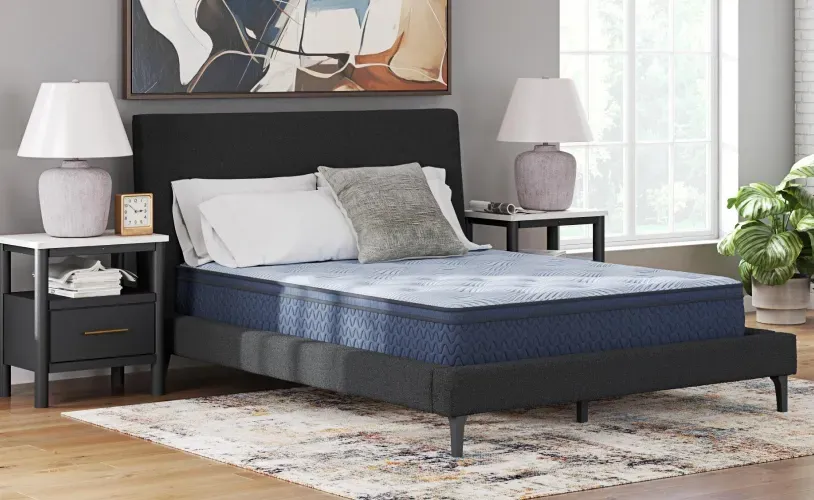
Ashley Furniture 13-Inch Hybrid Hot Buy Queen Mattress (Model #M20731): Featuring a 13-inch depth, this hybrid mattress packs in high-density cushion-firm foam plus convoluted comfort foam and a wrapped coil base with edge reinforcement, offering strong support, good airflow, and durability for heavier use.
Explore Hybrid Mattresses at Van Vreede’s
Interested in trying out hybrid mattresses from trusted brands like Stearns & Foster, Therapedic, and Ashley? Visit your local Van Vreede’s showroom in Appleton, Oshkosh, or Green Bay to explore hybrid mattress options in-store and decide which mattress is right for you. With personalized service and expert mattress insights, we’ll guide you towards making the right purchase that’ll help elevate your sleep quality.
Our catalog of mattresses spans across brands, sizes, and comfort levels. Van Vreede’s carries a variety of mattress styles, including pillow top, tight top, and Euro top, to help make it easier to find the right mattress that best suits your needs and budget.
Related readings from our blog:
FAQs: What is a Hybrid Mattress?
Are hybrid mattresses good for people with joint pain?
Yes, those foam layers over coils cushion pressure points, which helps reduce stiffness in joints, especially in hips and shoulders. But firmness and foam density matter; too soft may not offer enough support.
Will a hybrid mattress sleep hot?
Sometimes, but many modern hybrids include cooling gel layers, breathable covers, and airflow through coils to reduce heat buildup. If you’re a hot sleeper, select one with cooling features.
How long does a hybrid mattress last?
With quality materials and proper care, hybrids often last between 8-12 years or more. Warranty and construction (coil quality, edge support) are major factors.
Do hybrids cost more than foam or innerspring mattresses?
In general, yes, especially in premium models. But there are a wide range of price points depending on materials, construction, and brand. The added cost can be justified by versatile comfort and better durability.
Can I use a hybrid mattress on a platform bed or adjustable base?
Most hybrids work fine on platform beds with slats as directed; for adjustable bases, make sure the mattress is compatible. Some hybrids are designed for adjustability; others are not.
Related Articles