
Best Washing Machine for Large Loads: Top Load vs. Front Load Performance
Mon Apr 13 2026
- Laundry
If you’re searching for the best washing machine for large loads, you’re likely dealing with bulky laundry like comforters, towels, or a full household’s weekly wash. Choosing between a top load washing machine and a front load washing machine can significantly impact your cleaning performance, efficiency, and long-term satisfaction.
According to the experts at Van Vreede’s, the right washer depends on your household size, laundry habits, and the types of items you wash most often. For homeowners in Green Bay, Appleton, and Oshkosh, selecting the right washer is about more than just capacity, it’s about performance, durability, and convenience.
Key Takeaways: Choosing the Best Washing Machine for Large Loads in Wisconsin
-
Front load washing machines typically handle bulky items better with higher spin speeds and larger drum capacity.
-
Top load washing machines offer faster cycles and easier loading, ideal for everyday convenience.
-
Capacity (measured in cubic feet) is critical when washing bedding, towels, and large family loads.
-
Long-term maintenance and energy efficiency should factor into your decision.
Top Load Washer vs Front Load Washer: What’s the Difference?
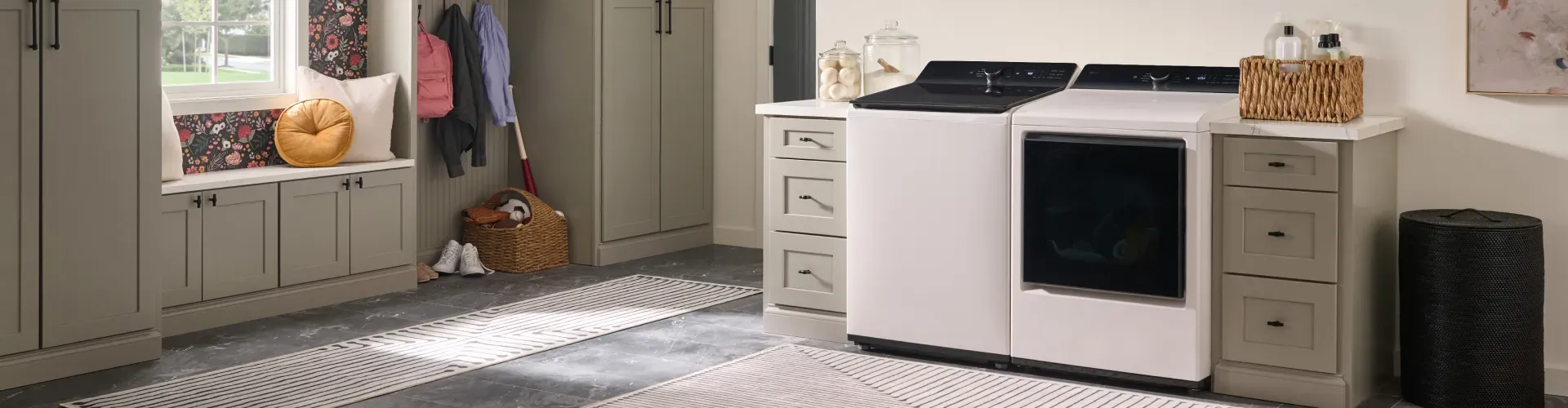
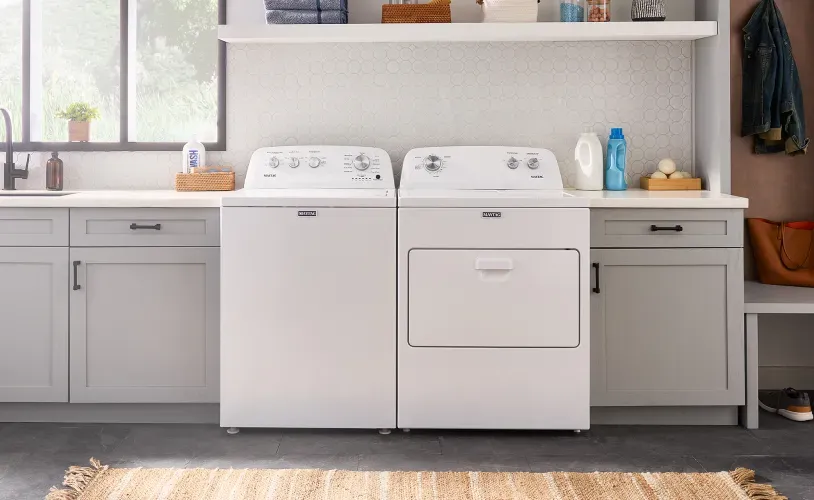
A top load washer is a washing machine where clothes are loaded from the top, making it easy to add items mid-cycle. These washers come in two main types: traditional top load washers, which use an agitator to move clothes, and high-efficiency (HE) top load washers, which use a low-water, high-efficiency system to clean clothes effectively while saving energy. Top load washers are ideal for households that prefer faster wash cycles and simpler loading and unloading.
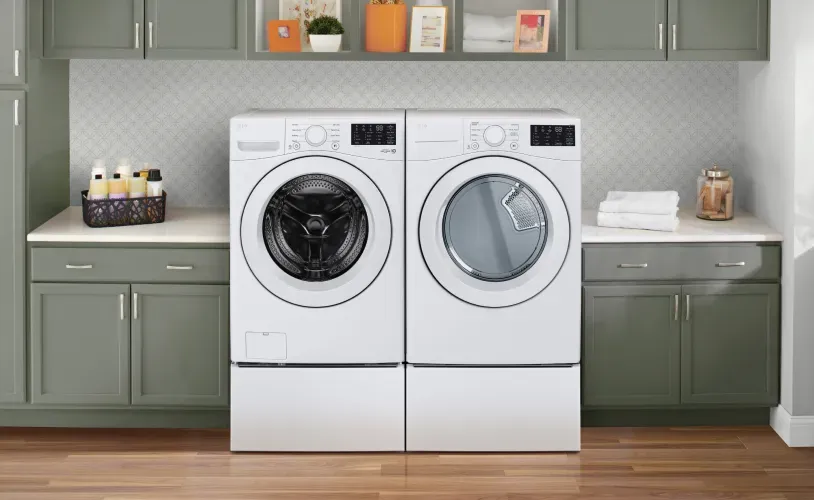
Front load washers have a door on the front of the machine, allowing clothes to tumble horizontally through water. This design is highly efficient for handling large loads, bulky items like bedding, and delicate fabrics, while often using less water and energy than traditional top load washers. The horizontal drum also provides higher spin speeds, which reduces drying time and improves long-term performance.
Top Load Washing Machine Performance
Top load washers remain a popular choice for many homeowners due to their convenience and faster cycles.
Advantages of Top Load Washers for Wisconsin Homeowners
-
Faster wash cycles
-
Easier to load and unload (no bending required)
-
Ability to add clothes mid-cycle
-
Typically lower upfront cost
Performance for Large Loads
Traditional top load washers with agitators can handle heavy loads but may struggle with evenly distributing bulky items like comforters. High-efficiency top load washers without agitators provide more space and gentler cleaning, making them better for larger loads.
Best Use Cases
-
Families who want quick turnaround laundry
-
Users who prefer simple controls
-
Frequent, everyday laundry loads
Front Load Washing Machine Performance
Front load washers are widely considered the best washing machines for large loads due to their efficiency and cleaning performance.
Advantages of Front Load Washers for Wisconsin Homeowners
-
Larger drum capacity for bulky items
-
Higher spin speeds for better water extraction
-
Superior cleaning performance
-
More energy and water efficient
Performance for Large Loads
Front load washers excel at washing comforters, bedding, and towels because of their tumbling wash action. This motion allows water and detergent to penetrate fabrics more effectively.
Their higher spin speeds also remove more moisture, reducing drying time, an important advantage for large loads.
Best Use Cases
-
Washing bulky bedding and oversized loads
-
Energy-conscious households
-
Users looking for long-term efficiency
Understanding Capacity: What Size Washer Do You Need?
Capacity is one of the most important factors when choosing the best washing machine for large loads.
Capacity Benchmarks
-
3.5-4.5 cu. ft.: Standard loads for smaller households
-
4.5-5.5 cu. ft.: Ideal for families and bulky items
-
5.5+ cu. ft.: Best for oversized loads like king-size comforters
Front load washers typically offer larger usable drum space, making them better suited for bulky bedding and oversized laundry. However, newer high-efficiency top load washers are closing the gap with larger capacities.
If you frequently wash items like blankets or multiple loads at once, investing in a higher-capacity washer is essential.
Cleaning Bedding & Bulky Items
One of the most common reasons people search for the best washing machine is to handle large, bulky items like:
-
Comforters
-
Blankets
-
Towels
-
Pet bedding
Top Load vs Front Load for Bulky Items
Top Load Washers:
-
Can handle bulky items, but may require load balancing
-
Agitator models may be rougher on fabrics
Front Load Washers:
-
Better at evenly cleaning large items
-
More gentle on fabrics
-
Less likely to tangle or bunch items
For frequent bedding loads, front load washers typically deliver better results.
Spin Speed Comparison: Why It Matters
Spin speed plays a crucial role in washer performance, especially for large loads.
-
Top Load Washers: Typically range from 600-800 RPM
-
Front Load Washers: Can reach 1,200-1,600 RPM
Higher spin speeds remove more water from clothes, which:
-
Reduces drying time
-
Saves energy
-
Improves overall efficiency
For large loads, especially heavy fabrics like towels and comforters, front load washers have a clear advantage in spin performance.
Long-Term Maintenance & Durability
When choosing the best washing machine, long-term maintenance is just as important as performance.
Top Load Washer Maintenance
-
Generally easier to maintain
-
Less prone to mold or odor issues
-
Simpler mechanical design
Front Load Washer Maintenance
-
Requires regular cleaning to prevent odor buildup
-
Door seals need to be wiped down
-
More advanced components may require specialized repairs
However, many modern front load washers include self-cleaning cycles and improved ventilation to reduce maintenance concerns.
Energy Efficiency and Cost Over Time
Front load washers are typically more energy-efficient than top load models because they use less water and extract more moisture during the spin cycle.
Cost Considerations
-
Top Load Washers: Lower upfront cost
-
Front Load Washers: Higher upfront cost but lower long-term utility costs
If you wash large loads frequently, the efficiency savings from a front load washer can add up over time.
Which Is the Best Washing Machine for Large Loads?
Choosing between a top load and front load washing machine ultimately depends on your priorities.
Choose a Top Load Washer If You:
-
Want faster wash cycles
-
Prefer easier loading and unloading
-
Need a lower upfront cost
Choose a Front Load Washer If You:
-
Wash large or bulky items regularly
-
Want better cleaning performance
-
Value energy efficiency and faster drying
For most households dealing with large loads, front load washers are often the better long-term investment. However, high-efficiency top load washers can still be a strong alternative depending on your needs.
Featured Washing Machines for Large Loads
Whether you're upgrading your laundry room or searching for the best washing machine near you, choosing the right model for large loads can make a big difference in your day-to-day routine. Homeowners in Green Bay, Appleton, and Oshkosh are increasingly looking for high-capacity washers that can handle everything from bulky bedding to back-to-back family loads.
At Van Vreede’s, our experts recommend top-performing models that combine power, efficiency, and reliability, so you can spend less time doing laundry and more time enjoying your home.
Whirlpool Top Load Washer (Model #WTW5057LW)
Designed for dependable performance, this top load washing machine offers a spacious capacity ideal for handling large family loads. The built-in agitator provides thorough cleaning power, while multiple cycle options help customize each wash. Its simple controls and durable design make it a great choice for households that want efficiency without complexity.
LG Front Load Washer (Model #WM4000HWA)
This front load washing machine is designed for superior cleaning and efficiency, making it one of the best washing machines for large loads. With a large-capacity drum and high spin speeds, it handles bulky items with ease while reducing drying time. Smart features and energy-efficient performance make it a great long-term investment.
Whirlpool High-Efficiency Top Load Washer (Model #WTW8127LW)
Built for large households, this top load washing machine offers a spacious capacity designed to handle bulky items like comforters and towels with ease. The removable agitator provides flexibility, allowing you to switch between deep cleaning performance and extra room for oversized loads. Advanced wash cycles and smart features help optimize cleaning while maintaining efficiency. This model is ideal for homeowners who want the convenience of a top load washer without sacrificing capacity or performance.
GE Profile Front Load Washer (Model #PFW870SPVRS)
Engineered for high performance, this front load washing machine includes advanced wash technology and a large drum capacity for handling oversized loads. Its smart features and high-speed spin cycle make it ideal for busy households. This model is a premium option for those who want top-tier cleaning and convenience.
Shop the Best Washing Machines at Van Vreede’s
Choosing the best washing machine for large loads comes down to balancing performance, convenience, and efficiency. Whether you prefer the simplicity of a top load washer or the advanced performance of a front load model, the right choice can make laundry faster, easier, and more effective.
At Van Vreede’s, our experts help customers in Green Bay, Appleton, and Oshkosh choose washers that match their lifestyle and laundry needs. Visit one of Van Vreede’s appliance showrooms in Appleton, Green Bay, or Oshkosh, WI to explore top-rated washers and laundry appliances and get expert advice tailored to your home.
Related readings from our blog:
FAQs: Best Washing Machine for Large Loads: Top Load vs. Front Load Performance
What is the best washing machine for large families?
Front load washers with 4.5+ cubic feet capacity are typically best for large families because they can handle bigger loads more efficiently. Their larger drum size allows you to wash more clothes in fewer cycles, saving both time and energy. They also provide better cleaning performance for bulky items like comforters and towels. If you frequently do back-to-back loads, a high-capacity model is a smart investment.
Can a top load washing machine wash comforters?
Yes, a top load washing machine can wash comforters, especially if it has a large capacity drum. High-efficiency top load washers without agitators tend to perform better because they provide more space for bulky items to move freely. However, load balancing is important to avoid uneven washing or excessive vibration. For best results, avoid overloading and use the appropriate cycle for bulky items.
Are front load washing machines better for large loads?
Yes, front load washing machines are generally better for large loads due to their larger usable capacity and tumbling wash action. This design allows water and detergent to penetrate fabrics more effectively, resulting in a deeper clean. Higher spin speeds also remove more moisture, reducing drying time. These features make front load washers especially effective for bedding and oversized laundry.
Which washing machine lasts longer?
Both top load and front load washing machines can last many years with proper care and maintenance. Top load washers are often simpler in design, which can make them easier and less expensive to maintain over time. Front load washers may require more routine cleaning to prevent odor or mold buildup but offer better efficiency. Choosing a reliable brand and following maintenance guidelines will help extend the lifespan of either type.
Related Articles