
Bosch Dishwashers: Are They Worth the Upgrade?
Fri May 15 2026
- Kitchen Appliances
Bosch has built a strong reputation in the dishwasher category by focusing on engineering precision, quiet performance, and long-term reliability rather than flashy or overly complex features. For many homeowners, especially those upgrading kitchens or open-concept living spaces, Bosch dishwashers represent a “premium baseline” dishwasher, quiet, efficient, and consistent.
At Van Vreede’s, appliance experts often position Bosch as a long-term investment brand rather than a budget option. The real question isn’t whether Bosch performs well, it does, but whether its performance advantages justify the higher price compared to standard or mid-tier dishwashers.
Key Takeaways: Should You Upgrade to a Bosch Dishwasher?
-
Bosch dishwashers are among the quietest on the market, often operating at 38-44 dB depending on the model.
-
Their precision cleaning systems use sensors, targeted spray zones, and efficient water distribution instead of high-pressure blasting.
-
While they carry a higher upfront cost, their durability and efficiency can reduce long-term ownership costs.
-
Drying performance is energy-efficient but may require tradeoffs with plastics in some cycles.
-
Single drawer dishwashers may be a better fit for smaller households or light-use kitchens.
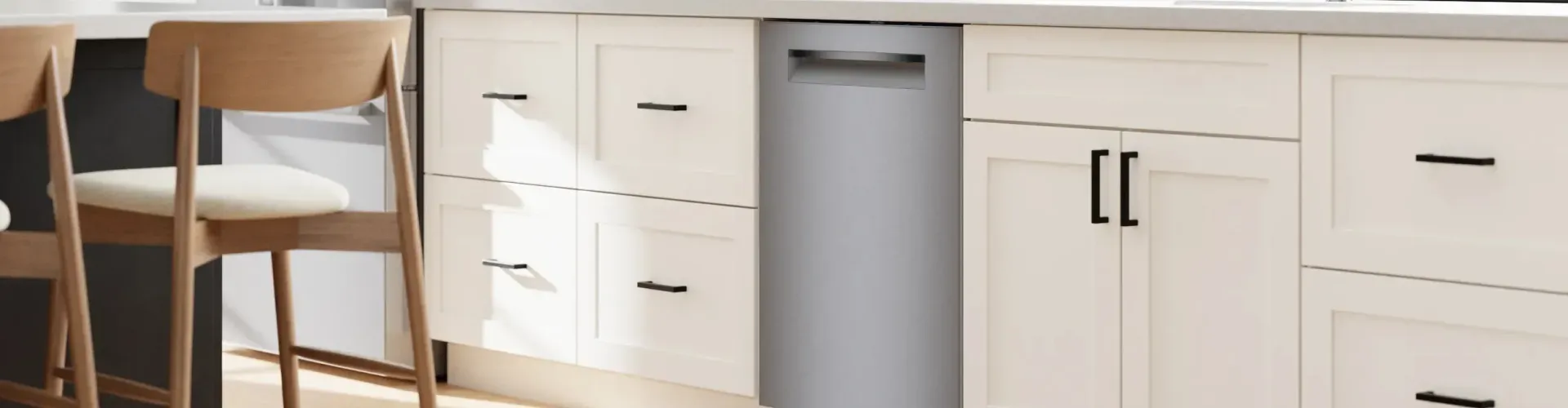
Noise Levels: One of Bosch’s Biggest Advantages
If there is one feature that consistently separates Bosch from competitors, it is sound insulation and motor design.
Most Bosch dishwashers operate between 38 dB and 44 dB, which places them among the quietest residential dishwashers available.
Examples of what these dB levels sound like include:
-
38 dB: Near silence (closer to a whisper in another room)
-
44 dB: Light background sound, like soft rainfall
For comparison, many standard dishwashers operate between 50-60 dB, which is significantly more noticeable in daily use. This quiet operation is achieved through a combination of advanced insulation, carefully engineered motor systems, and reduced vibration design. In real-world use, this means the dishwasher can run during dinner, conversations, or even late at night without becoming a distraction.
Why This Matters in Wisconsin Homes
-
Open-concept kitchens don’t amplify dishwasher noise into living areas
-
Night cycles can run without disruption
-
Conversations, TV, or entertaining are unaffected
Bosch achieves this through:
-
Fully insulated stainless steel tubs
-
Precision-balanced motors
-
Reduced vibration pump systems
For Wisconsin homeowners with open-concept floor plans, this level of quiet performance is often one of the most compelling reasons to choose Bosch over other brands.
Cleaning Technology: Precision Over Power
Unlike dishwashers that rely heavily on aggressive spray pressure, Bosch focuses on optimized water distribution and intelligent cycle control.
Core Bosch Cleaning Systems
1. Precision Spray Arms
Bosch dishwashers are designed around controlled, intelligent cleaning rather than high-pressure spray systems. Instead of relying on force alone, they use built-in sensors and optimized water distribution to clean dishes more efficiently and evenly.
2. Load-Sensing Technology
Built-in sensors evaluate soil levels inside the dishwasher and adjust water usage, cycle length, and temperature accordingly. This helps reduce unnecessary water consumption while still maintaining strong cleaning performance across a wide variety of load types.
3. Targeted Zone Cleaning
Some Bosch models include specialized zones that increase spray intensity for heavily soiled cookware while maintaining gentler cleaning elsewhere.
4. Advanced Filtration System
Bosch uses fine filtration to continuously recirculate clean water during cycles, improving consistency across loads.
Real-world result: Instead of “power washing” dishes, Bosch focuses on consistent, even cleaning across every rack level, which reduces the need for pre-rinsing in most situations.
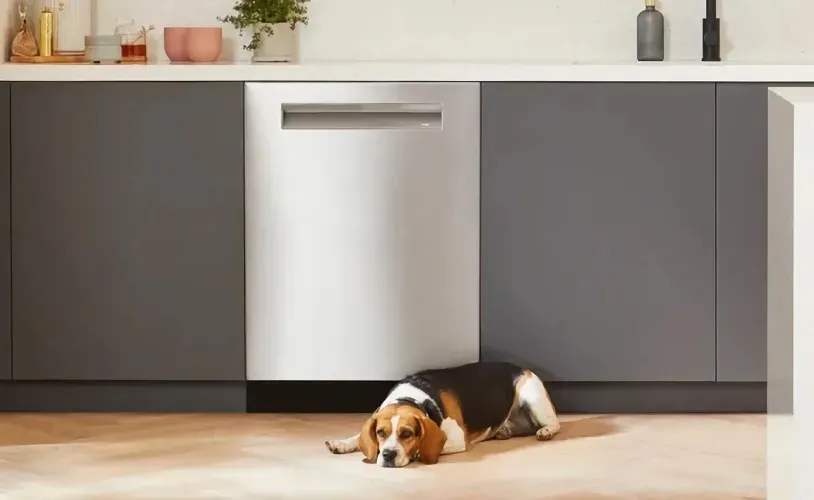
Drying Performance: Efficient, but Different
Drying performance in Bosch dishwashers works differently than traditional heated dry systems. Instead of relying on high heat, many Bosch models use condensation drying, where moisture naturally evaporates from the stainless steel interior after the wash cycle ends.
This approach is more energy efficient and helps reduce overall electricity usage, but it does come with some tradeoffs. Glassware and plates typically dry very well, while plastic items may still retain some moisture depending on the cycle selected.
Some newer Bosch models include automatic door opening features that help release steam and improve drying results naturally. Over time, many users adjust their loading and cycle choices to optimize drying performance based on their household needs.
Who Should Consider Bosch Dishwashers?
Bosch dishwashers are not designed as entry-level appliances, and they are not necessarily the best fit for every household. They tend to perform best in homes where quiet operation, consistent cleaning, and long-term reliability are priorities.
They are especially well-suited for households with open kitchen layouts where appliance noise would otherwise be disruptive. They also work well for families or individuals who run frequent dishwasher cycles and want dependable day-to-day performance.
However, they may not be ideal for shoppers focused primarily on lowest upfront cost or those who prefer maximum heated drying performance for plastics.
When a Single Drawer Dishwasher Makes More Sense
While Bosch full-size dishwashers are designed for household-wide use, single drawer dishwashers serve a different purpose and lifestyle. These units are typically better suited for smaller households, secondary kitchen spaces, or situations where full loads are not consistently needed.
A single drawer dishwasher can be more practical for individuals or couples who generate fewer dishes or prefer to run smaller, more frequent cycles. They are also useful in entertainment spaces, office kitchens, or guest suites.
The tradeoff is capacity and efficiency. Drawer-style units do not offer the same total load flexibility or long-term cost efficiency as full-size Bosch models, but they excel in convenience and space savings.
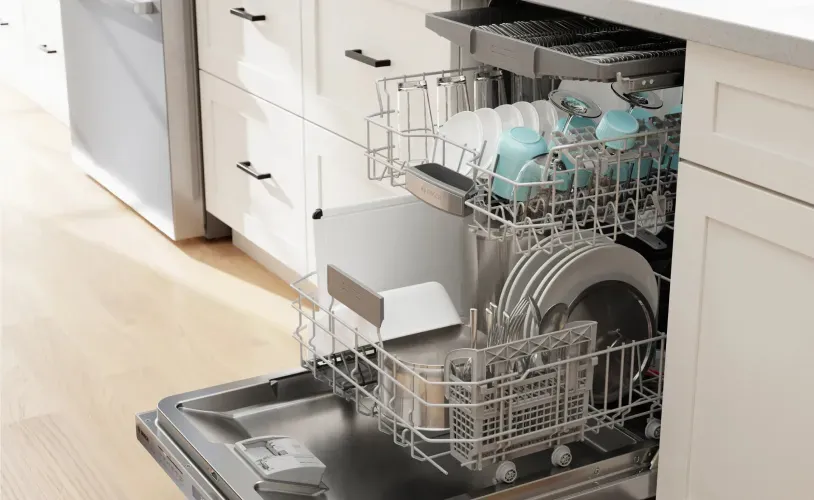
Price-to-Value Breakdown: What Are You Really Paying For?
Bosch dishwashers sit in the mid-to-premium price range, and understanding their value requires looking beyond the initial purchase price. A significant portion of the cost is tied to engineering quality, sound insulation, stainless steel construction, and advanced sensor systems.
Over time, this design approach often translates into fewer repair issues, longer lifespan, and more consistent performance. Many Bosch dishwashers are built to last over a decade with proper maintenance, which can reduce long-term replacement costs compared to lower-priced alternatives.
When evaluating cost, it is also important to consider daily usability. Quiet operation, efficient cycles, and reduced maintenance needs contribute to a more convenient ownership experience, which is often a key factor for homeowners upgrading kitchens.
Bosch vs. Standard Dishwashers: The Real Difference
Where Bosch separates itself is not just performance, but consistency over time.
|
Category |
Bosch |
Standard Dishwasher |
|
Noise Level |
Very low (38-44 dB) |
Moderate to loud |
|
Cleaning Style |
Sensor + precision spray |
High-pressure spray |
|
Drying System |
Energy-efficient condensation |
Heated drying (varies) |
|
Lifespan |
Long-term durability focus |
Varies widely |
|
Price |
Premium |
Budget to mid-range |
Are Bosch Dishwashers Worth It?
Bosch dishwashers are worth the upgrade for homeowners who prioritize quiet performance, dependable cleaning, and long-term reliability over low upfront cost. They are especially well-suited for modern kitchens where noise control and seamless daily operation matter.
For households focused on budget pricing or maximum heated drying performance, other brands may offer better alignment with those priorities. However, for many buyers, Bosch delivers a noticeably improved kitchen experience that justifies the investment over time.
At Van Vreede’s, Bosch is most often recommended for homeowners completing kitchen remodels in Appleton, Green Bay, and Oshkosh who want a noticeable upgrade in comfort, not just function.
At Van Vreede’s, homeowners across Wisconsin can explore thoughtfully selected furniture collections designed for comfort, durability, and style.
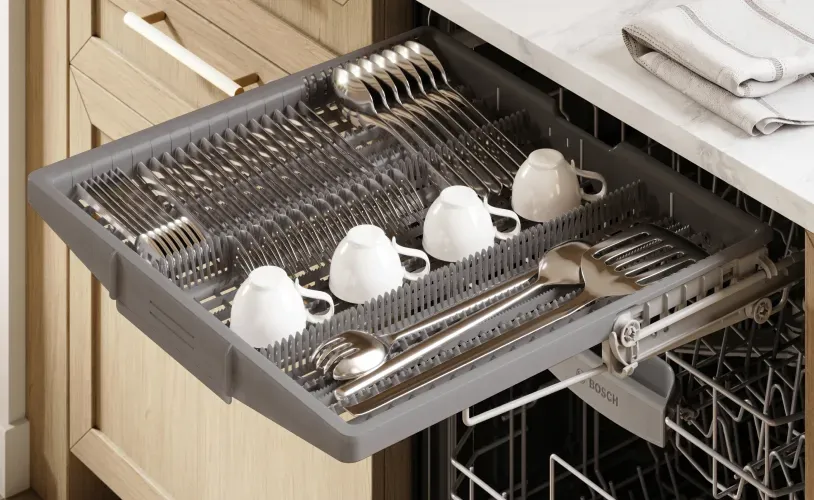
Upgrade Your Kitchen With Confidence at Van Vreede’s
Bosch dishwashers offer a refined balance of quiet operation, intelligent cleaning, and long-term reliability. For homeowners looking to improve both performance and daily comfort in the kitchen, they remain one of the strongest premium dishwasher options available at Van Vreede’s.
If you’re ready to replace and upgrade your dishwasher, visit one of our appliance showrooms in Appleton, Green Bay, or Oshkosh, WI to discover options that best fit your needs.
Related readings from our blog:
FAQs: Are Bosch Dishwashers Worth the Upgrade?
How quiet are Bosch dishwashers compared to other brands?
Bosch dishwashers are significantly quieter than most competitors, with many models operating between 38-44 dB. This is quiet enough that the dishwasher is barely noticeable during operation in most homes. In comparison, many standard dishwashers operate closer to 50-60 dB, which is much more audible in open layouts. This makes Bosch especially popular in modern, open-concept kitchens.
Do Bosch dishwashers clean better than cheaper models?
Bosch dishwashers focus on even, consistent cleaning rather than high-pressure spraying. Their sensor-driven systems adjust water usage and cycle intensity based on load conditions. While many budget dishwashers clean adequately, Bosch tends to perform more consistently across mixed and heavily soiled loads. This reduces the need for pre-rinsing in most everyday situations.
Why do Bosch dishwashers cost more than other brands?
The higher cost reflects engineering quality, sound insulation, and advanced internal systems. Bosch invests heavily in motor design, energy efficiency, and long-term reliability testing. While the upfront price is higher, many homeowners find the reduced maintenance and longer lifespan balance out the investment. It is generally positioned as a long-term appliance upgrade rather than a budget purchase.
Is Bosch or a single drawer dishwasher better?
It depends on household size and usage habits. Bosch full-size dishwashers are better for families or frequent cooking, offering higher capacity and efficiency per load. Single drawer dishwashers are more suited for smaller households or secondary kitchen areas where full loads are not needed. Both serve different needs rather than one being universally better.
Related Articles