
How to Choose the Right Area Rug Size for Every Room
Thu Jul 23 2026
- Interior Design
An area rug can completely transform a room, but only if it's the right size. While color, pattern, and texture often get the most attention, rug dimensions have an even bigger impact on how a space looks and functions. A rug that's too small can make furniture appear disconnected and a room feel cramped, while one that's too large can overwhelm the space and hide beautiful flooring.
Whether you're furnishing a new home or refreshing a single room, choosing the right rug size helps create a balanced layout that feels intentional and inviting. The right rug anchors your furniture, defines different areas of your home, and adds warmth and comfort underfoot.
At Van Vreede's, our furniture experts help homeowners throughout Green Bay, Appleton, Oshkosh, and the surrounding Northeast Wisconsin communities create beautiful, functional living spaces. Whether you're pairing an area rug with a new living room set, updating your bedroom furniture, or redesigning your dining space, this guide will help you choose the perfect rug size with confidence.
Key Takeaways: How to Choose the Right Area Rug Size
-
Area rug size should be based on your furniture layout, not just your room dimensions.
-
Living room rugs should typically extend beneath at least the front legs of your seating furniture.
-
Bedroom rugs should extend beyond the sides and foot of the bed to provide comfort and visual balance.
-
Dining room rugs should be large enough that chairs remain on the rug when pulled out.
-
Rug material is just as important as size when considering durability, maintenance, and comfort.
-
The furniture experts at Van Vreede's can help you coordinate area rugs with your furniture to create a cohesive, professionally designed space.
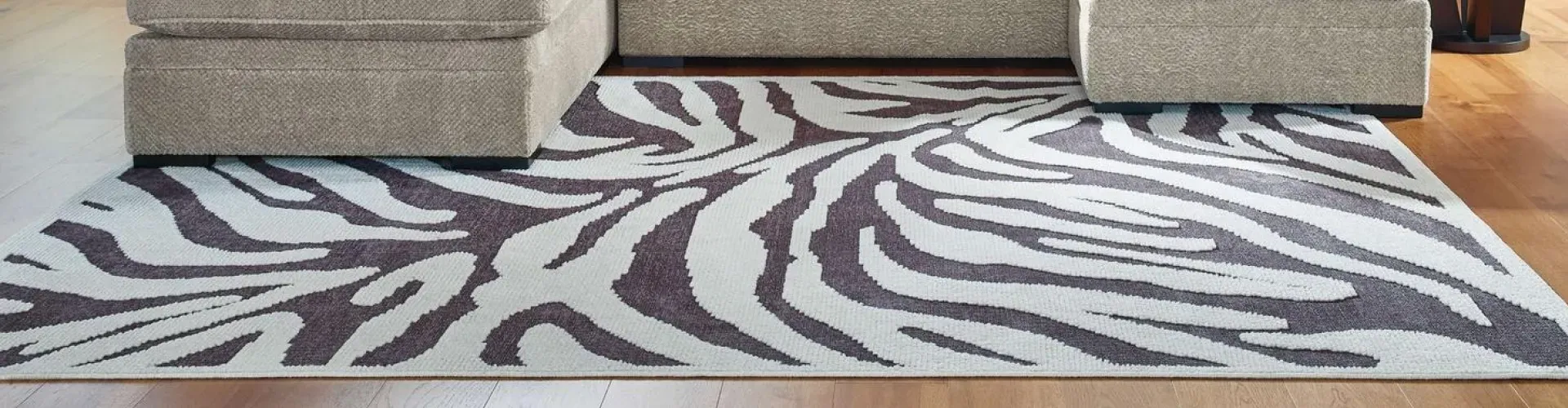
What Size Area Rug Do I Need?
The best area rug size depends on your room layout and furniture arrangement. As a general rule, choose a rug that anchors your furniture rather than simply filling empty floor space. In living rooms, at least the front legs of sofas and chairs should rest on the rug. In bedrooms, rugs should extend well beyond the bed, while dining room rugs should allow chairs to remain on the rug even when pulled away from the table.
| Room | Recommended Rug Sizes |
|---|---|
| Small Living Room | 5' x 8' |
| Standard Living Room | 8' x 10' |
| Large Living Room | 9' x 12' |
| Queen Bedroom | 8' x 10' |
| King Bedroom | 9' x 12' |
| Dining Room | 8' x 10' or larger |
Why Rug Size Matters More Than You Think
Many homeowners assume any rug that fits inside the room will work, but professional interior designers approach rugs differently. Instead of filling empty floor space, an area rug should help define how the room functions.
A properly sized rug visually connects furniture pieces into one cohesive arrangement. It creates a sense of structure that makes the room feel larger, more organized, and more inviting. In open-concept homes, rugs also help separate living areas without the need for walls.
Beyond aesthetics, area rugs offer practical benefits. They provide cushioning underfoot, reduce noise by absorbing sound, protect hardwood or luxury vinyl flooring from scratches, and make large rooms feel warmer and more comfortable.
Because rugs are such a foundational design element, selecting the correct size before purchasing furniture, or at least before finalizing your furniture layout, can prevent costly decorating mistakes later.
Living Room Rug Size Guide
The living room is where most people spend the majority of their time, making it one of the most important spaces to get right. An appropriately sized rug helps define your seating area while making the room feel balanced.
Small Living Rooms
For apartments, condos, or smaller family rooms, a 5' x 8' rug often works well.
Ideally, the rug should sit beneath your coffee table while extending underneath the front legs of your sofa and accent chairs. This creates a visual connection between the furniture without overwhelming the room.
If space is especially limited, avoid choosing a rug that's too small simply because it fits. A slightly larger rug often makes compact spaces feel more open.
Medium Living Rooms
An 8' x 10' rug is one of the most versatile sizes for today's homes.
This size typically allows the front legs of your sofa, loveseat, and chairs to rest comfortably on the rug while leaving approximately 12 to 18 inches of visible flooring around the perimeter of the room.
This arrangement creates one unified seating area and is the layout most commonly recommended by interior designers.
Large Living Rooms
Open-concept homes and spacious great rooms often benefit from a 9' x 12' rug or larger.
With larger rugs, it's possible for all major seating furniture, including sofas, chairs, and coffee tables, to rest entirely on the rug. This creates a luxurious appearance while clearly defining the conversation area.
Large rugs also help prevent furniture from feeling scattered throughout oversized spaces.
Should Furniture Legs Go on the Rug?
One of the most frequently asked decorating questions is whether furniture should sit completely on an area rug.
The answer depends on your room size, but there are three common layouts.
All Furniture on the Rug
This approach works best in larger living rooms.
Having every major furniture piece rest completely on the rug creates a polished, high-end appearance that's especially effective in open floor plans.
Front Legs on the Rug
For most homes, this is the ideal solution.
Placing only the front legs of sofas and chairs on the rug connects the furniture visually while maintaining a spacious feel. It's the layout most interior designers recommend because it balances comfort, style, and practicality.
No Furniture on the Rug
This arrangement is generally best avoided.
When a rug floats in the center of the room without connecting to surrounding furniture, it often appears too small and can make the room feel disjointed.
Choosing the Right Rug for Sectionals
Sectional sofas require larger rugs than many homeowners initially expect.
Because sectionals occupy more floor space than traditional sofas, selecting an undersized rug often throws off the entire room's proportions. Instead of anchoring the seating arrangement, the rug can end up looking like an afterthought.
As a general guideline:
-
Smaller L-shaped sectionals often pair well with an 8' x 10' rug.
-
Most full-size sectionals look better on a 9' x 12' rug.
-
Oversized sectionals in expansive living rooms may require a 10' x 14' rug or larger.
Whenever possible, position at least the front legs of the sectional on the rug. If the room allows, placing the entire sectional on the rug creates an even more cohesive design.
Remember that the coffee table should also sit comfortably within the rug's boundaries to maintain proper scale.
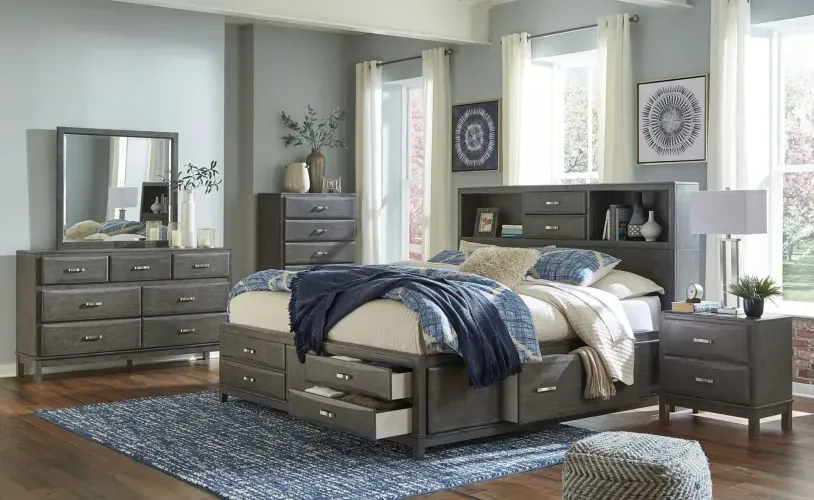
Bedroom Rug Size Guide
Bedrooms benefit tremendously from area rugs because they provide warmth, softness, and visual comfort.
Instead of thinking about the room itself, begin by considering the size of your bed.
Twin Beds
A 5' x 8' rug usually provides adequate coverage beside and at the foot of the bed.
Alternatively, runners placed along one or both sides of the bed offer a practical solution in children's rooms or guest bedrooms.
Full and Queen Beds
Most designers recommend an 8' x 10' rug beneath queen beds.
The rug should extend approximately 18 to 24 inches beyond each side of the mattress and continue beyond the foot of the bed. This creates a balanced appearance while providing a soft landing every morning.
For full-size beds, the same rug size often works beautifully depending on the room dimensions.
King Beds
King-size beds require larger rugs to maintain proper proportions.
A 9' x 12' rug is generally considered the ideal choice because it extends comfortably around the bed while accommodating nearby nightstands if desired.
Choosing a rug that's too small under a king bed can make the room feel visually compressed despite its size.
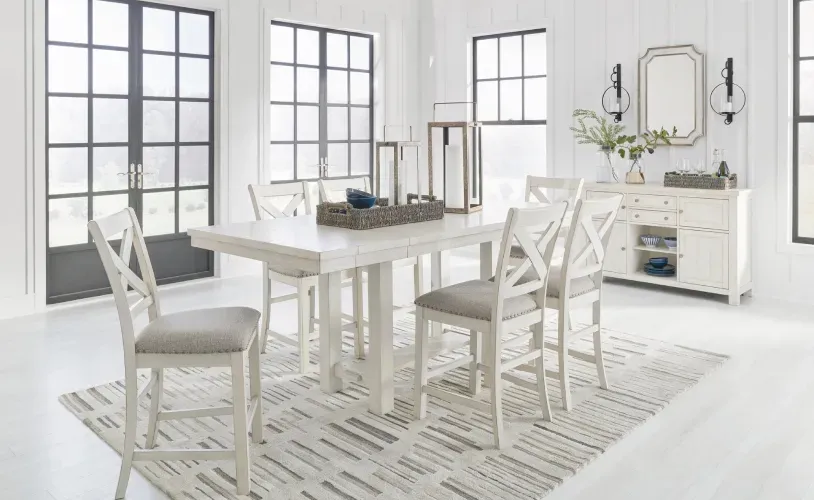
Dining Room Rug Size Guide
The dining room presents one of the most common rug sizing challenges. While it may be tempting to choose a rug that's only slightly larger than your table, doing so can create frustration every time someone sits down for a meal.
The ideal dining room rug should extend beyond the edges of the table so chairs remain fully supported, even when pulled out. This not only creates a more polished appearance but also prevents chairs from catching on the edge of the rug during everyday use.
As a general rule, allow approximately 24 inches of rug beyond each side of the dining table. This measurement accommodates most dining chairs and creates a more comfortable dining experience.
Small Dining Rooms
A 6' x 9' or 8' x 10' rug is often suitable for four-person dining tables.
The rug should frame the entire dining set while leaving enough visible flooring around the perimeter of the room to maintain balance.
Medium Dining Rooms
For six-person tables, an 8' x 10' rug is typically the best fit.
This size provides ample room for chairs to move naturally while helping define the dining area within open-concept homes.
Large Dining Rooms
Eight-person tables and larger often require a 9' x 12' rug or larger.
A generously sized rug creates an elegant foundation for the dining room and helps visually anchor larger furniture pieces.
Entryway and Hallway Rug Tips
Area rugs aren't limited to living rooms and bedrooms. Entryways and hallways also benefit from thoughtfully selected rugs that improve both style and functionality.
In entryways, rugs should be large enough to welcome guests while allowing doors to open and close freely. Always measure door clearance before purchasing a rug to ensure it won't interfere with the swing of the door.
Hallways typically work best with runner rugs that leave several inches of exposed flooring along each side. This framing effect helps the hallway feel intentional rather than crowded.
A rug pad is especially important in these high-traffic areas to help prevent slipping and protect both the rug and your flooring.
Common Area Rug Size Mistakes to Avoid
Even beautifully designed rooms can feel awkward if the rug size isn't right. Fortunately, avoiding a few common mistakes can make a dramatic difference in the finished look of your space.
Choosing a Rug That's Too Small
This is by far the most common decorating mistake.
A rug that's too small can make furniture appear disconnected and often makes the entire room feel smaller than it actually is. When in doubt, choosing the next larger rug size typically creates a more balanced appearance.
Buying the Rug Before Planning the Furniture Layout
Many homeowners shop for rugs based solely on room dimensions without considering how the furniture will be arranged.
Instead, determine where your sofas, chairs, beds, or dining table will be placed first. Your rug should complement the furniture layout rather than dictate it.
Forgetting About Dining Chairs
Dining room rugs need to account for chairs in both the pushed-in and pulled-out positions.
If chair legs regularly slide off the edge of the rug, everyday use becomes less comfortable and the rug will wear unevenly over time.
Covering the Entire Floor
While larger rugs are generally preferable, wall-to-wall coverage isn't necessary.
Leaving approximately 12 to 18 inches of visible flooring around the room's perimeter creates visual contrast and helps define the rug as its own design element.
Ignoring Room Traffic
Think about how people naturally move through each room.
A rug shouldn't block doorways, create tripping hazards, or interrupt common walking paths. Proper placement allows the rug to enhance the room without interfering with its functionality.
Choosing the Best Area Rug Material
Size is only part of the equation. The material you choose affects durability, comfort, maintenance, and how well your rug performs over time.
Wool
Wool is widely regarded as one of the highest-quality rug materials available.
It's naturally soft, durable, and resistant to crushing, making it an excellent option for living rooms and bedrooms. Wool fibers also naturally repel dirt and help insulate against noise and temperature changes.
While wool rugs often cost more upfront, many homeowners appreciate their longevity and timeless appearance.
Cotton
Cotton rugs are lightweight, soft, and relatively easy to clean.
They work well in casual living spaces, bedrooms, and playrooms but may show wear more quickly in high-traffic areas.
Jute and Sisal
Natural fiber rugs have become increasingly popular for modern, coastal, and farmhouse interiors.
Jute offers a softer feel underfoot, while sisal is exceptionally durable for busy households. Both provide beautiful texture but may not be ideal for areas exposed to frequent moisture.
Synthetic Fibers
Materials such as polypropylene, polyester, and nylon offer excellent stain resistance and affordability.
These rugs are often recommended for homes with children or pets because they're easy to clean and hold up well in high-traffic spaces. Advances in manufacturing have also made many synthetic rugs remarkably soft while maintaining impressive durability.
Caring for Your Area Rug
Proper care helps extend the life of your investment and keeps your rug looking its best for years to come.
Vacuum regularly using the manufacturer's recommendations, especially in high-traffic areas where dirt and debris can become embedded in the fibers. Rotating your rug every six to twelve months promotes more even wear and helps prevent fading in rooms with abundant natural light.
Using a quality rug pad underneath your area rug not only improves comfort but also helps prevent slipping and reduces stress on both the rug backing and your flooring. For spills, blot the area promptly rather than rubbing, and consider professional cleaning every few years to maintain the rug's appearance and preserve its fibers.
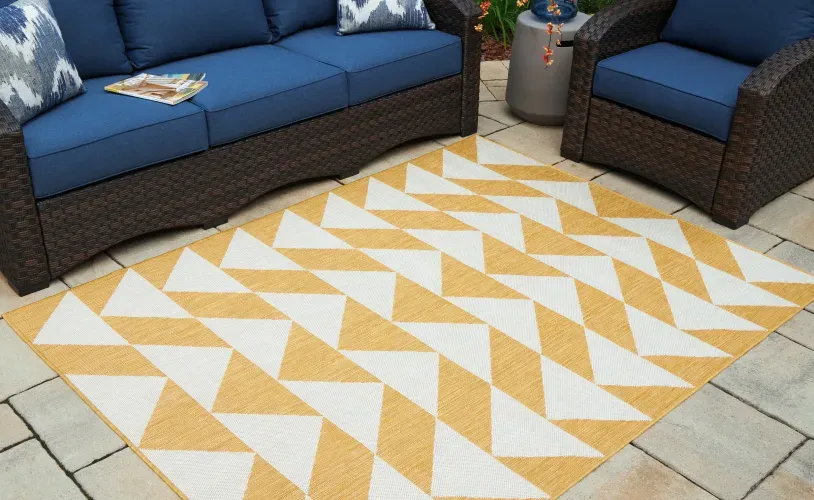
Complete Your Space with the Right Rug from Van Vreede’s
An area rug is more than a decorative accessory; it's one of the foundational elements that brings a room together. The right size creates better flow, defines furniture arrangements, and makes every space feel more comfortable and inviting.
Whether you're decorating a cozy apartment, redesigning your family room, or furnishing an entire home, taking the time to choose the correct rug size will pay off in both appearance and functionality. Pairing the right dimensions with a durable material ensures your rug complements your furniture while standing up to everyday life.
The furniture experts at Van Vreede's can help you coordinate area rugs with living room furniture, bedroom sets, dining furniture, and home décor to create a space that's both beautiful and practical.
Visit one of our furniture showrooms in Appleton, Green Bay, or Oshkosh, WI, or browse our furniture selection online. Our experienced team can help you find pieces that fit your style, your space, and your budget, so you can create a home you'll enjoy for years to come.
Related readings from our blog:
FAQs: How to Choose the Right Area Rug Size
What size area rug do I need for my living room?
The best rug size depends on the size of your furniture and the overall room layout rather than the room dimensions alone. Most standard living rooms look best with an 8' x 10' rug, while larger spaces often benefit from a 9' x 12' rug or bigger. Ideally, at least the front legs of your sofa and chairs should rest on the rug to create a cohesive seating area. Measuring your furniture arrangement before shopping is the best way to ensure the rug fits properly.
Should all furniture legs be on an area rug?
Not necessarily. In many homes, placing only the front legs of sofas and chairs on the rug creates a balanced, designer-inspired look while maintaining an open feel. Larger living rooms may have enough space for every furniture leg to rest on the rug, which can create an even more unified appearance. The best approach depends on your room size, furniture arrangement, and personal design preferences.
How large should a dining room rug be?
A dining room rug should extend approximately 24 inches beyond every side of the dining table. This allows chairs to remain fully on the rug when guests sit down or push their chairs back from the table. Choosing a rug that's too small can cause chairs to catch on the edge, making everyday dining less comfortable. Measuring your table with the chairs pulled out is the easiest way to determine the correct rug size.
What is the best rug material for a busy household?
For homes with children or pets, synthetic materials like polypropylene and nylon are popular because they're durable, stain resistant, and easy to clean. Wool is another excellent choice thanks to its natural resilience, softness, and long lifespan, although it typically comes at a higher price point. Natural fibers such as jute and sisal provide beautiful texture but may require more maintenance depending on where they're used. The best material ultimately depends on your lifestyle, room location, and how much daily wear the rug will experience.
Related Articles