
Things You Should Never Put In Your Dishwasher
Thu Dec 11 2025
- Kitchen Appliances
Dishwashers make cleaning up after meals faster and more convenient, but not every kitchen item is safe to toss inside. While it’s tempting to load up anything and let the dishwasher do the work, certain materials and utensils can be seriously damaged, or worse, damage your dishwasher itself. Understanding what should never go in your dishwasher helps you protect your cookware, extend the life of your dishwasher, and maintain your kitchen’s hygiene.
From everyday pots and pans to specialty serving pieces, this guide will cover the most common items to avoid, why they’re risky, and tips for proper care from the experts at Van Vreede’s.
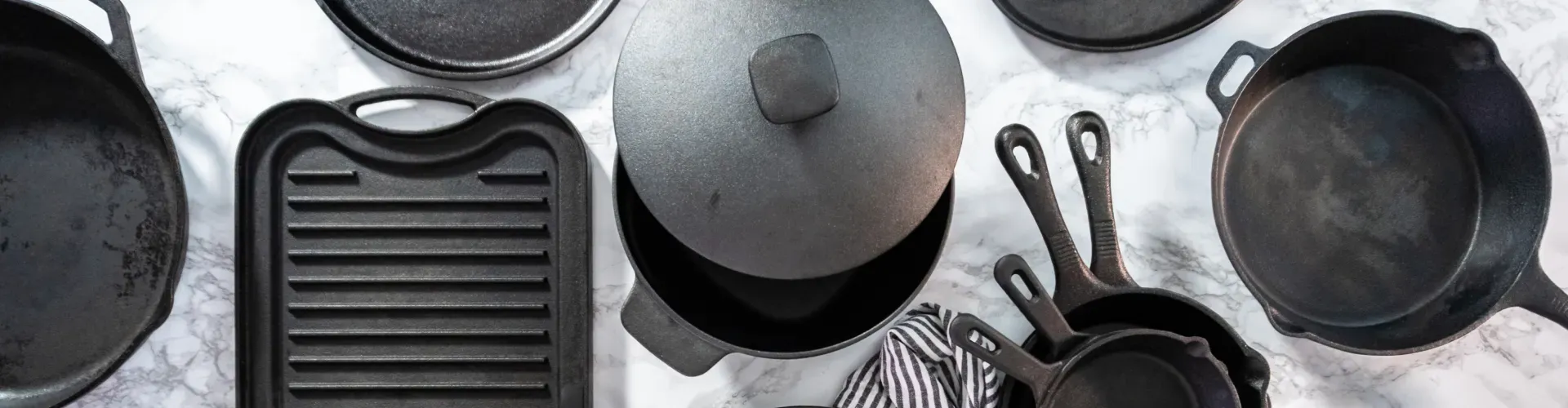
1. Cast Iron Cookware
Why it’s risky: Cast iron is prone to rust and losing its seasoning when exposed to dishwasher detergent and hot water. Even brief exposure to high heat or water can strip away the protective layer that keeps your pan nonstick and rust-free.
Safe alternative: Wash cast iron by hand with warm water and mild soap if necessary, then dry immediately. Apply a thin coat of oil after cleaning to maintain seasoning. Regular hand washing also prevents rust and keeps your pans performing like new for years.
2. Wooden Utensils and Cutting Boards
Why it’s risky: Wooden items can crack, warp, or lose their finish in the dishwasher. The high heat and constant water exposure cause the wood to expand and contract, eventually leading to splits.
Safe alternative: Hand-wash wooden utensils and boards with mild soap, then air dry. Regularly treat them with food-safe mineral oil to preserve longevity. This care prevents cracks and maintains the board’s natural antibacterial properties.
3. Nonstick Pans with Chipped or Damaged Coating
Why it’s risky: Dishwasher detergents and high temperatures can accelerate the deterioration of nonstick coatings, especially if they are already chipped. Scratches not only reduce performance but can release potentially harmful particles into your food.
Safe alternative: Clean nonstick pans by hand with a soft sponge and mild detergent. Avoid abrasive scrubbers. Gentle cleaning extends the life of the nonstick coating and ensures even cooking.
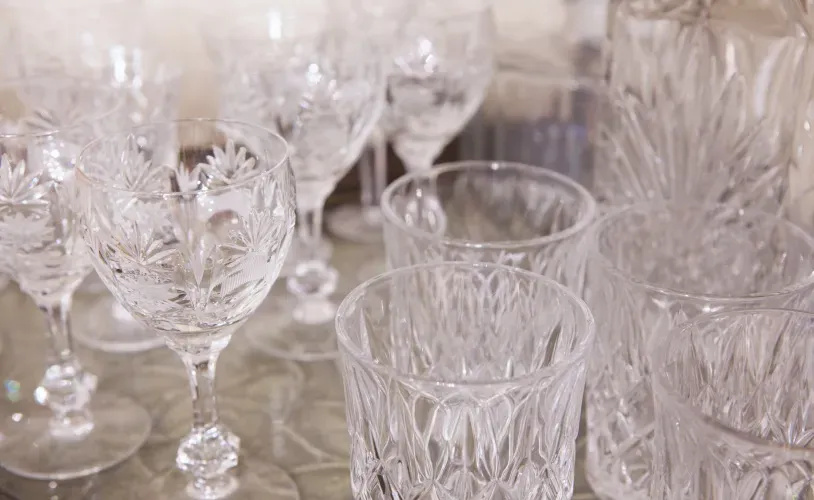
4. Crystal and Delicate Glassware
Why it’s risky: While many high-end dishwashers offer a Crystal Washing Cycle feature, high temperatures, water pressure, and detergent can etch, cloud, or even crack delicate glassware and fine crystal. Lightweight glasses can also be tossed around during the wash cycle without proper racking, increasing breakage risk.
Safe alternative: Hand-wash fragile glassware with lukewarm water and gentle soap. Use a soft cloth or towel to dry. This careful approach helps maintain clarity and prevents permanent etching or clouding. Always check the manufacturer’s feature details for more information on Crystal Washing functionality.
5. Fine China and Hand-Painted Ceramics
Why it’s risky: Dishwashers can cause fading, chipping, or crazing in hand-painted or antique ceramics. Harsh detergents and strong jets of water damage decorative finishes and gold or silver trim.
Safe alternative: Wash carefully by hand with mild soap and a soft sponge. Avoid soaking in water for extended periods. Drying immediately prevents water spots and preserves decorative finishes.
6. Certain Plastics
Why it’s risky: Not all plastics are dishwasher-safe. Low-quality or thin plastics may melt, warp, or release chemicals when exposed to high heat in the dishwasher.
Safe alternative: Check manufacturer labels. If unsure, wash by hand. Store plastics on the top rack only if rated dishwasher-safe. This prevents warping and ensures plastics remain safe for food use.
7. Copper and Brass Items
Why it’s risky: Detergents and dishwasher heat can tarnish or discolor copper and brass. Over time, repeated cycles may degrade their finish.
Safe alternative: Hand-wash with mild soap and water, then dry and polish to maintain the finish. Regular polishing keeps metal shiny and prevents long-term tarnish.
8. Aluminum Cookware
Why it’s risky: Dishwashing detergents can react with aluminum, causing pitting, discoloration, and surface corrosion.
Safe alternative: Hand-wash aluminum items with warm water and gentle detergent. Dry thoroughly to prevent oxidation. Avoiding dishwasher cycles preserves both appearance and cooking performance.
9. Items with Adhesive Labels or Stickers
Why it’s risky: Labels can peel off during the cycle, clogging the dishwasher’s filter and damaging the machine.
Safe alternative: Remove stickers and residue before placing items in the dishwasher. This protects the dishwasher filter and keeps water jets functioning properly.
10. Pressure Cooker Lids or Specialty Appliances
Why it’s risky: Complex parts like pressure cooker lids, air fryer baskets, or appliance components may not withstand dishwasher temperatures and can be ruined.
Safe alternative: Follow manufacturer cleaning instructions and hand-wash removable components when necessary. This ensures all parts remain intact and prevents damage to complex mechanisms.

Explore Dishwasher Solutions and More at Van Vreede’s
While dishwashers are powerful tools for simplifying kitchen cleanup, not every item is safe to put inside. Cast iron, wooden utensils, delicate glassware, and certain plastics, among others, are best cared for by hand to maintain their longevity and prevent damage. Following these guidelines keeps your kitchen safe, protects your investment in cookware, and ensures your dishwasher continues working efficiently.
Visit one of our Wisconsin showrooms in Appleton, Oshkosh, or Green Bay to explore Van Vreede’s other kitchen cleanup appliances in person. Explore top brands and home appliance options that’ll elevate your entire home living space.
Related readings from our blog:
FAQs: Things You Should Never Put In Your Dishwasher
Can I put stainless steel cookware in the dishwasher?
Yes, most stainless steel cookware is dishwasher-safe, but check for manufacturer instructions and avoid prolonged exposure to harsh detergents.
Are silicone baking mats dishwasher-safe?
Most silicone mats are safe for the top rack, but verify manufacturer guidelines to prevent warping or residue buildup.
Can dishwashers ruin nonstick bakeware?
Yes, high heat and strong detergents can degrade nonstick coatings over time. Hand washing is recommended for longevity.
Is it safe to put ceramic mugs in the dishwasher?
Most standard ceramic mugs are safe, but hand-painted or antique mugs should be washed by hand.
How can I prevent dishwasher damage from small items?
Place small or lightweight items in secure racks or use dishwasher-safe baskets to avoid movement during cycles.
Related Articles