
Why Does My Fridge Keep Icing Up On The Bottom?
Thu Nov 20 2025
- Tips & How To's
If you’ve noticed ice forming at the bottom of your refrigerator, it can be frustrating and concerning. This common problem not only makes your fridge look messy but can also affect its efficiency, increase energy bills, and even shorten the appliance’s lifespan. Understanding why this happens and how to address it is essential to keeping your fridge running smoothly and protecting your food.
At Van Vreede’s, we want to help you troubleshoot these issues while also exploring long-term solutions, including upgrading to newer, energy-efficient refrigerators.

Understanding Why Ice Forms at the Bottom
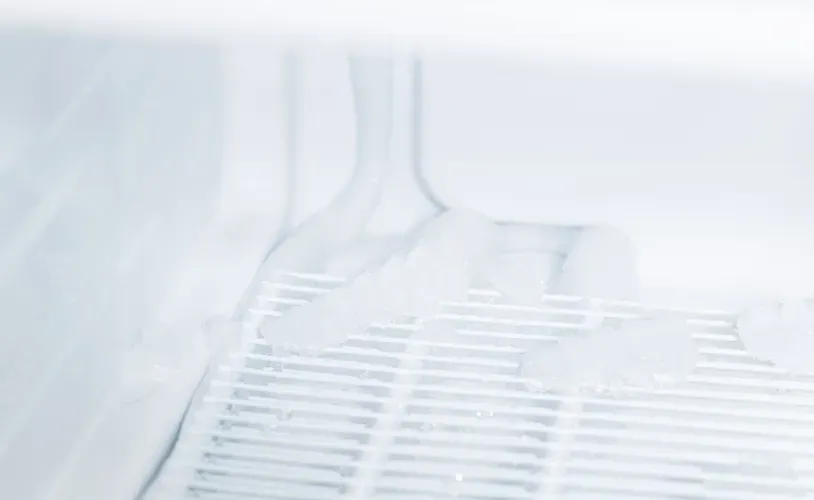
Ice buildup in refrigerators usually occurs when moisture enters the appliance and freezes. While some frost is normal, persistent ice accumulation indicates an underlying issue. Common effects of bottom ice buildup include:
-
Reduced storage space in drawers and shelves
-
Food sticking to frozen surfaces
-
Excess moisture and unpleasant odors
-
Reduced cooling efficiency and higher energy usage
Addressing the root cause of ice buildup can prevent these issues and extend your refrigerator’s lifespan.
Common Causes of Ice Buildup at the Bottom of Your Fridge
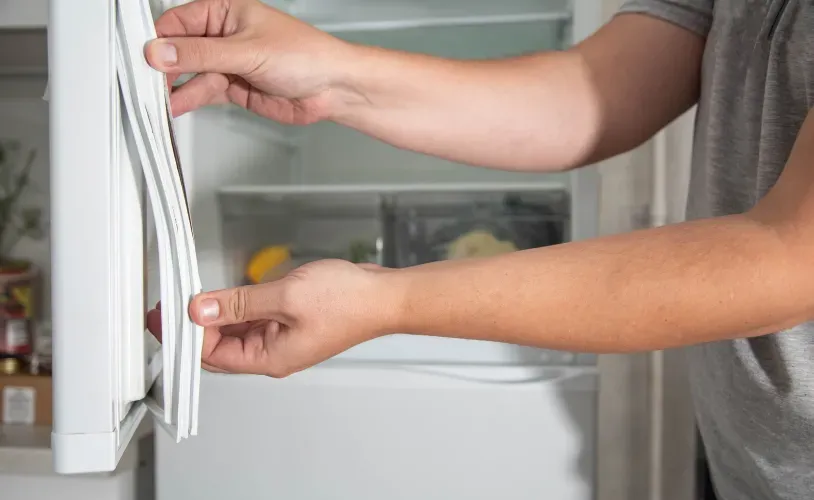
Faulty or Damaged Door Seals
The door gasket seals your refrigerator and keeps cold air inside while keeping warm, humid air out. If the gasket is cracked, warped, or damaged, moisture can enter, leading to condensation that freezes at the bottom.
What to do:
-
Inspect door seals regularly for tears or gaps
-
Clean seals with warm soapy water to remove dirt
-
Replace worn seals promptly to prevent recurring ice
Frequently Opening the Fridge Door
Opening the fridge often, or leaving the door ajar, allows humid air to enter. This extra moisture condenses and freezes, forming ice over time.
Tips to avoid this:
-
Minimize how long the door stays open
-
Organize your fridge so you can quickly access items
-
Ensure nothing is blocking the door from closing properly
Incorrect Temperature Settings
If your refrigerator is too cold, condensation can freeze and form ice at the bottom. The ideal temperature range is 35°F to 42°F for the fridge and 0°F for the freezer.
Tip: Use a fridge thermometer to monitor and maintain proper temperatures
Poor Air Circulation
Overcrowding the fridge or blocking internal vents can reduce airflow, causing uneven cooling. Stagnant areas may develop frost that collects at the bottom.
Tips for better airflow:
-
Avoid overloading shelves and drawers
-
Ensure vents are not blocked by tall items
-
Allow space between food containers for air circulation
Hot or Warm Food Inside the Fridge
Placing hot food directly in the fridge raises internal humidity. This added moisture can condense and freeze, contributing to ice buildup.
Recommendation:
-
Let food cool to room temperature before refrigerating
-
Store liquids in sealed containers to reduce moisture release
Clogged or Dirty Drainage System
Most modern fridges have a drain hole or pan to collect defrost water. If this system becomes clogged with debris or ice, water can pool at the bottom and freeze.
Check your fridge’s drain:
-
Locate and inspect the drain hole (usually at the back or bottom)
-
Clear any blockages using a pipe cleaner or warm water
-
Empty and clean the drip pan regularly
Malfunctioning Defrost System
If your fridge has an automatic defrost feature, failures in the defrost heater, timer, or thermostat can cause persistent ice formation. Signs of a defrost system problem include:
-
Frost only in certain areas, usually the bottom drawer
-
Water pooling under shelves
-
Uneven temperatures throughout the fridge
Professional help is recommended to diagnose and repair defrost system components safely.
How to Fix Ice Buildup in Your Refrigerator
Step 1: Defrost the Fridge Completely
-
Turn off the fridge and freezer
-
Remove all food items
-
Allow ice to melt naturally or use warm water to speed the process
-
Use towels to absorb water and prevent spills
Step 2: Clean the Interior
-
Wash shelves, drawers, and walls with a mild detergent
-
Focus on corners, door seals, and the bottom where ice accumulated
Step 3: Inspect and Clean the Drain Pan
-
Remove and clean the drain pan
-
Ensure the drain hole is unclogged
Step 4: Adjust Temperature Settings
-
Set the fridge between 35°F-42°F
-
Set the freezer at 0°F
-
Avoid rapid changes to temperature, which can trigger condensation
Step 5: Check Door Seals and Ventilation
-
Confirm doors are closing properly
-
Remove obstacles that block airflow
-
Replace worn gaskets if necessary
Step 6: Consider Professional Repair
-
Persistent ice buildup may indicate a defrost system malfunction
-
Professional technicians can check the heater, timer, and thermostat for repairs
Preventing Future Ice Buildup
There are a number of proactive and preventive measures to take which can help avoid ice buildup in the future. These include:
-
Regular Cleaning: Monthly cleaning prevents buildup of debris that can block drains
-
Proper Loading: Keep vents clear and allow airflow
-
Monitor Temperature: Use a thermometer to maintain optimal settings
-
Mind Humidity: Avoid placing hot or uncovered food inside the fridge
-
Upgrade Appliances: Consider refrigerators with energy-efficient designs that prevent frost
Upgrading Your Refrigerator to Prevent Ice at Van Vreede’s
If your fridge is older or continues to ice up despite troubleshooting, it may be time to upgrade. Modern refrigerators are designed to reduce frost issues while offering better energy efficiency. Van Vreede’s offers a wide range of models to meet your family’s needs:
-
Bottom Freezer Refrigerators: Easy access to fresh food with freezer storage below
-
Side-by-Side Refrigerators: Convenient vertical organization with easy access to both fridge and freezer
-
Top Mount Refrigerators: Classic design with freezer on top, perfect for smaller kitchens
-
Built-In Refrigerators: Seamless integration into your kitchen design
-
French Door Refrigerators: Wide storage space with flexible, modern layouts
From bottom freezer refrigerators to French door models, there are options designed to prevent frost buildup and deliver consistent performance. Visit one of our Wisconsin showrooms in Appleton, Oshkosh, or Green Bay to find the right refrigerator upgrade for your home.
Van Vreede’s recommended top picks:
10.1 cu. ft. Top Freezer Refrigerator (Model: HMDR1000BE)
7.4 cu. ft. 2-Door Compact Fridge (Model: MCDR740WE)
Related readings from our blog:
-
How to Choose the Right Size Area Rug for Your Living Room or Bedroom
-
Stylish Sleeper Sofas: Hosting Overnight Guests In Small Spaces
FAQs: Why Does My Fridge Keep Icing Up On The Bottom?
How often should I clean my fridge to prevent ice buildup?
Clean your refrigerator at least once a month and check the drain hole to ensure proper drainage.
Can faulty door seals cause my fridge to ice up?
Yes. Damaged gaskets allow warm, humid air in, causing condensation and frost accumulation.
What temperature should my fridge and freezer be?
Keep the fridge between 35°F-42°F and the freezer at 0°F for optimal performance.
Is it normal for some frost to appear in my fridge?
A small amount of frost is normal in older or manual-defrost models, but excessive ice indicates a problem.
When should I call a professional technician?
Persistent ice buildup, uneven cooling, or issues with the defrost system should be evaluated by a professional.
Related Articles