
Refrigerator Features That Help Prevent Food Waste
Thu Jul 16 2026
- Kitchen Appliances
Food waste often starts before ingredients ever reach the kitchen trash. Poor temperature control, excess moisture, inconsistent airflow, and improper storage conditions can cause fruits, vegetables, dairy products, and fresh foods to spoil faster than expected.
Choosing a refrigerator with the right technology can make a noticeable difference in how long groceries stay fresh. Modern refrigerators are designed with advanced food preservation systems that go beyond simply keeping food cold. Features like humidity-controlled drawers, dual evaporators, air filtration systems, and customizable refrigerator temperature zones help create better storage conditions for different types of food.
For homeowners searching for a refrigerator that supports fresher ingredients and fewer wasted groceries, understanding these features is an important part of the buying process.
The appliance experts at Van Vreede's help homeowners throughout Appleton, Green Bay, and Oshkosh, Wisconsin compare refrigerator features and find models that match their cooking habits, household size, and storage needs. This guide explains the refrigerator features that can help extend freshness and improve everyday food storage.
Key Takeaways: Refrigerator Features That Prevent Food Waste
-
The right refrigerator features can help extend food freshness and reduce unnecessary waste.
-
Humidity-controlled drawers create ideal environments for fruits and vegetables.
-
Dual evaporator refrigerators help prevent odor transfer and maintain better temperature control.
-
Refrigerator temperature zones allow different foods to be stored in optimal conditions.
-
Air filtration systems help reduce odors and maintain a cleaner refrigerator environment.
-
Door alarms and smart features help prevent temperature fluctuations that can impact food quality.
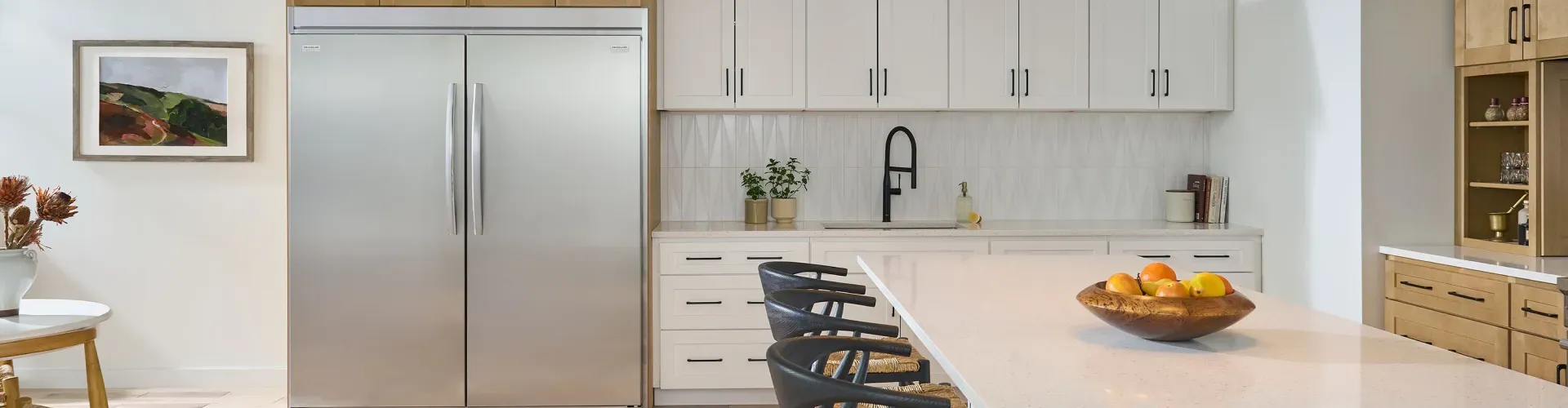
Which Refrigerator Features Help Food Last Longer?
The refrigerator features that help food last longer include humidity-controlled drawers, dual evaporators, advanced air filtration, adjustable temperature zones, and reliable temperature monitoring systems.
These technologies work together to maintain consistent temperatures, control moisture levels, and create specialized storage environments for different types of food. While every refrigerator keeps food cold, models with advanced food preservation features are designed to better protect freshness over time.
Why Refrigerator Features Matter for Food Preservation
A refrigerator's main job is to slow the growth of bacteria and keep food safe, but maintaining freshness requires more than low temperatures alone.
Different foods require different storage conditions. Leafy greens benefit from higher humidity, meats require colder storage environments, and dairy products often perform best with consistent temperatures away from frequent temperature changes.
Older refrigerators typically relied on basic cooling systems, but today's food preservation refrigerators use advanced technology to better manage airflow, moisture, and temperature.
When shopping for a new refrigerator, features should be evaluated based on how you cook and what types of food you regularly store.
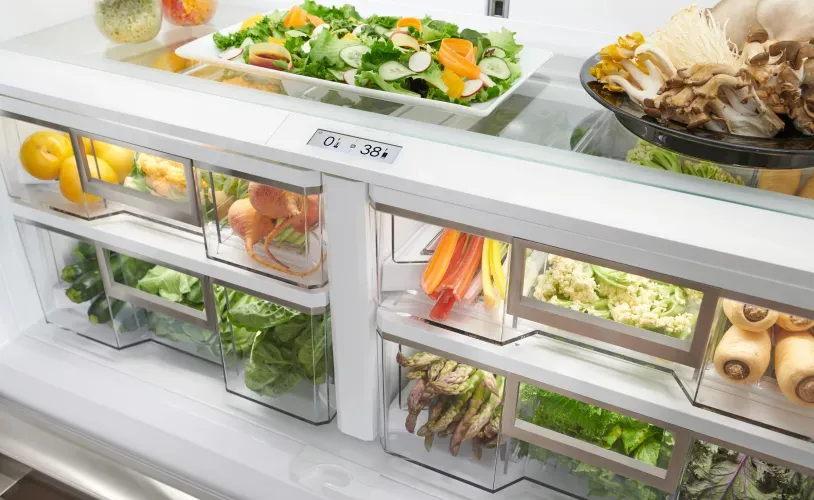
Humidity-Controlled Drawers Help Preserve Fresh Produce
One of the most important refrigerator features for food freshness is humidity control.
Most refrigerators include dedicated produce drawers, but higher-end models offer humidity-controlled drawers that allow homeowners to adjust moisture levels based on what they are storing.
Fruits and vegetables do not all require the same environment. Leafy greens, herbs, and vegetables often last longer in higher humidity conditions, while some fruits benefit from lower humidity settings to slow moisture loss.
Humidity-controlled drawers help reduce common problems like:
-
Wilted vegetables
-
Softened produce
-
Premature spoilage
-
Excess moisture buildup
For households that purchase fresh produce regularly, this feature can help extend the life of groceries and reduce the amount of food that gets thrown away.
When comparing refrigerators, look for models with adjustable humidity settings and spacious produce storage that makes it easier to organize fresh ingredients.
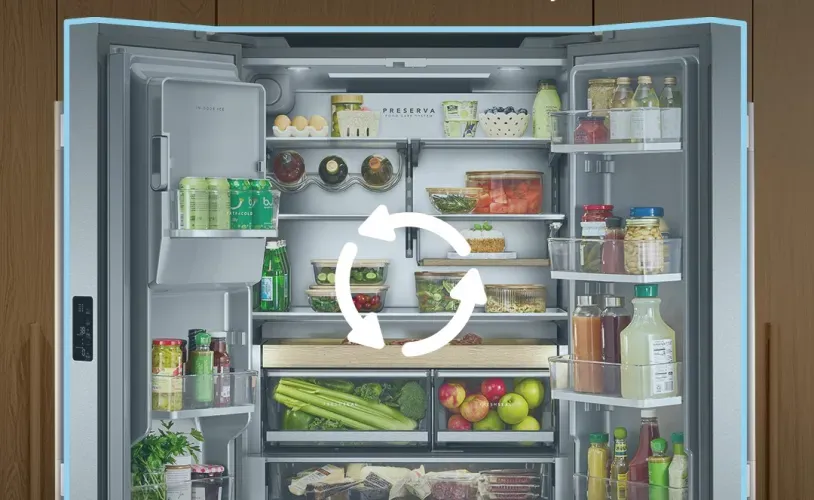
Dual Evaporator Refrigerators Improve Temperature Control
A dual evaporator refrigerator uses separate cooling systems for the refrigerator and freezer compartments.
Traditional refrigerators often share one evaporator system, meaning air from the freezer and refrigerator sections may circulate through the same cooling pathway. While modern single evaporator systems perform well, dual evaporator designs offer additional benefits for food preservation.
A dual evaporator refrigerator helps:
-
Maintain more precise temperatures
-
Reduce humidity transfer between compartments
-
Prevent freezer odors from affecting fresh foods
-
Improve overall food storage conditions
This separation is especially helpful for homeowners who store a wide variety of foods and want better control over their refrigerator environment.
For families who frequently buy fresh ingredients, meal prep, or store specialty foods, a refrigerator with dual evaporator technology can provide added peace of mind.
Air Filtration Systems Help Maintain Freshness
Refrigerator odors are more than just a nuisance. Strong odors can affect the taste and quality of certain foods, especially uncovered items or fresh ingredients that absorb surrounding smells.
Many modern food preservation refrigerators include advanced air filtration systems designed to reduce odors and help maintain a cleaner storage environment.
These systems often use filtration technology to capture odor-causing particles and improve air quality inside the refrigerator.
Benefits of refrigerator air filtration include:
-
Reduced lingering food odors
-
A cleaner refrigerator environment
-
Better protection for fresh ingredients
-
Improved overall food storage conditions
For homeowners who regularly store leftovers, fresh produce, seafood, or strongly flavored foods, air filtration can be a valuable feature.
Refrigerator Temperature Zones Create Better Storage Conditions
A refrigerator temperature zone allows different areas of the appliance to maintain specific conditions for different types of food.
Rather than storing everything at the same temperature, many modern refrigerators offer specialized compartments designed for specific storage needs.
Examples include:
Fresh Food Zones
Main refrigerator compartments are designed for everyday foods like beverages, leftovers, dairy products, and packaged ingredients.
Meat and Seafood Zones
Some refrigerators include colder compartments designed to help maintain ideal conditions for meat and seafood storage.
Convertible Temperature Zones
Certain models feature drawers that can switch between refrigerator and freezer temperatures depending on your needs.
These flexible storage options help homeowners organize food more effectively while improving preservation.
When shopping for refrigerators, consider how much control you want over different storage areas.
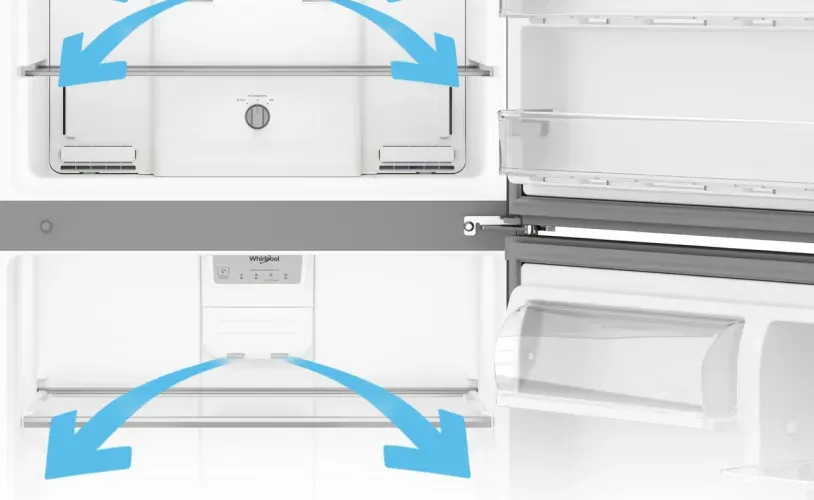
Door Alarms Help Prevent Temperature Fluctuations
A refrigerator door that is accidentally left open can quickly impact food quality.
Even a slightly open refrigerator door allows warm air to enter, forcing the appliance to work harder to restore the correct temperature. Over time, repeated temperature fluctuations can shorten the freshness of stored foods.
Door alarms help prevent this issue by alerting homeowners when a refrigerator or freezer door has remained open too long.
Many smart refrigerators also offer:
-
Smartphone notifications
-
Temperature alerts
-
Energy monitoring
-
Remote control features
These technologies provide additional protection against accidental temperature changes.
Smart Refrigerator Features That Support Food Preservation
Smart refrigerators have introduced new ways to monitor and manage food storage.
While smart technology does not directly preserve food, it can help homeowners maintain better refrigerator habits.
Examples include:
-
Temperature notifications
-
Maintenance reminders
-
Energy usage tracking
-
Inventory management features
-
Remote diagnostics
For busy families, these features can make it easier to monitor refrigerator performance and respond quickly if something changes.
Choosing the Right Food Preservation Refrigerator for Your Home
The best refrigerator for preventing food waste depends on your household's needs.
Families who cook frequently may prioritize large storage capacity, humidity-controlled drawers, and flexible temperature zones.
Homeowners who purchase fresh produce regularly may benefit from advanced produce storage and air filtration.
Those who store frozen foods, bulk purchases, or meal-prepped ingredients may prefer a refrigerator with strong temperature control and spacious freezer organization.
The experts at Van Vreede's recommend considering both your current habits and future needs when selecting a refrigerator. A model with the right features can make grocery shopping more efficient, improve organization, and help reduce unnecessary food waste.
Shop Refrigerators at Van Vreede's
Upgrading your refrigerator is an opportunity to improve how your kitchen functions while helping your groceries stay fresher for longer. From French door refrigerators with advanced storage options to models with dual evaporators, customizable temperature zones, and smart features, today's appliances offer more ways than ever to protect food quality. Shop additional refrigeration styles including bottom freezer, side-by-side, top mount, built-in, and more.
The appliance experts at Van Vreede's proudly help homeowners throughout Appleton, Green Bay, Oshkosh, and surrounding Wisconsin communities find refrigerators that fit their kitchens and lifestyles.
Visit one of our appliance showrooms in Appleton, Green Bay, or Oshkosh, WI to compare features, storage options, and food preservation technologies that can help your household get more from every grocery trip.
Related readings from our blog:
FAQs: Refrigerator Features That Help Prevent Food Waste
What refrigerator features help food last longer?
The refrigerator features that help food last longer include humidity-controlled drawers, dual evaporators, air filtration systems, and adjustable temperature zones. These technologies help create better storage conditions by controlling moisture, airflow, and temperature. While no refrigerator can prevent all food spoilage, advanced preservation features can significantly improve freshness. Choosing features based on your grocery habits can help reduce unnecessary food waste.
Are dual evaporator refrigerators worth it?
Dual evaporator refrigerators can be worth the investment for homeowners who prioritize food freshness and temperature control. Separate cooling systems help maintain more consistent conditions between the refrigerator and freezer compartments. They can also reduce odor transfer and improve humidity management. For households that regularly store fresh foods, specialty ingredients, or large amounts of groceries, this technology can provide added value.
Do humidity-controlled drawers really keep food fresh longer?
Yes, humidity-controlled drawers can help extend the freshness of many fruits and vegetables by creating better moisture conditions. Different foods require different humidity levels, and adjustable drawers allow homeowners to customize storage environments. While proper food handling and organization are still important, humidity control can reduce premature wilting and spoilage. This makes it a valuable feature for households that frequently buy fresh produce.
What temperature should a refrigerator be set at to keep food fresh?
Most refrigerators should be set around 37°F, while freezers should typically remain at 0°F for safe food storage. Maintaining consistent temperatures is just as important as selecting the right temperature setting. Features like temperature zones, door alarms, and advanced cooling systems can help prevent fluctuations. Regularly checking settings and keeping the refrigerator properly organized can also support better food preservation.
Related Articles